
AOI Mentorship: Looking at the World – Part 2
Seven of our mentees share what they’ve learnt and achieved over the last six months.

As we rapidly approach the end of 2025, we can’t let the year end without touching on one of our most fulfilling initiatives: the AOI Mentorship scheme.
Run freely by illustrators for illustrators, with support from the AOI, the yearly programme supports a select cohort of underrepresented illustrators based in the UK as well as internationally, pairing them with an Illustrator or Agent who generously provide 1-1 advice and guidance for a period of up to 6 months – always grounded on each mentee’s set goals, laid out from the very start.
In recent years we’ve seen our AOI mentees kickstart their illustration careers, go on to gain agency representation, win competitions and secure dream commissions.
We catch up with our 2025 mentees in a series of article features. In the second part of the series, we speak with seven mentees who have carefully observed and reflected the world around them with the aim of targeting editorial and design work.
Tackling Goals
At the start of the scheme, we asked all mentees to set clear goals for what they would like to achieve by the end of their mentorship sessions. The goals cover a mix of practical aims alongside broader changes they want to work towards, such as improving their self-confidence.
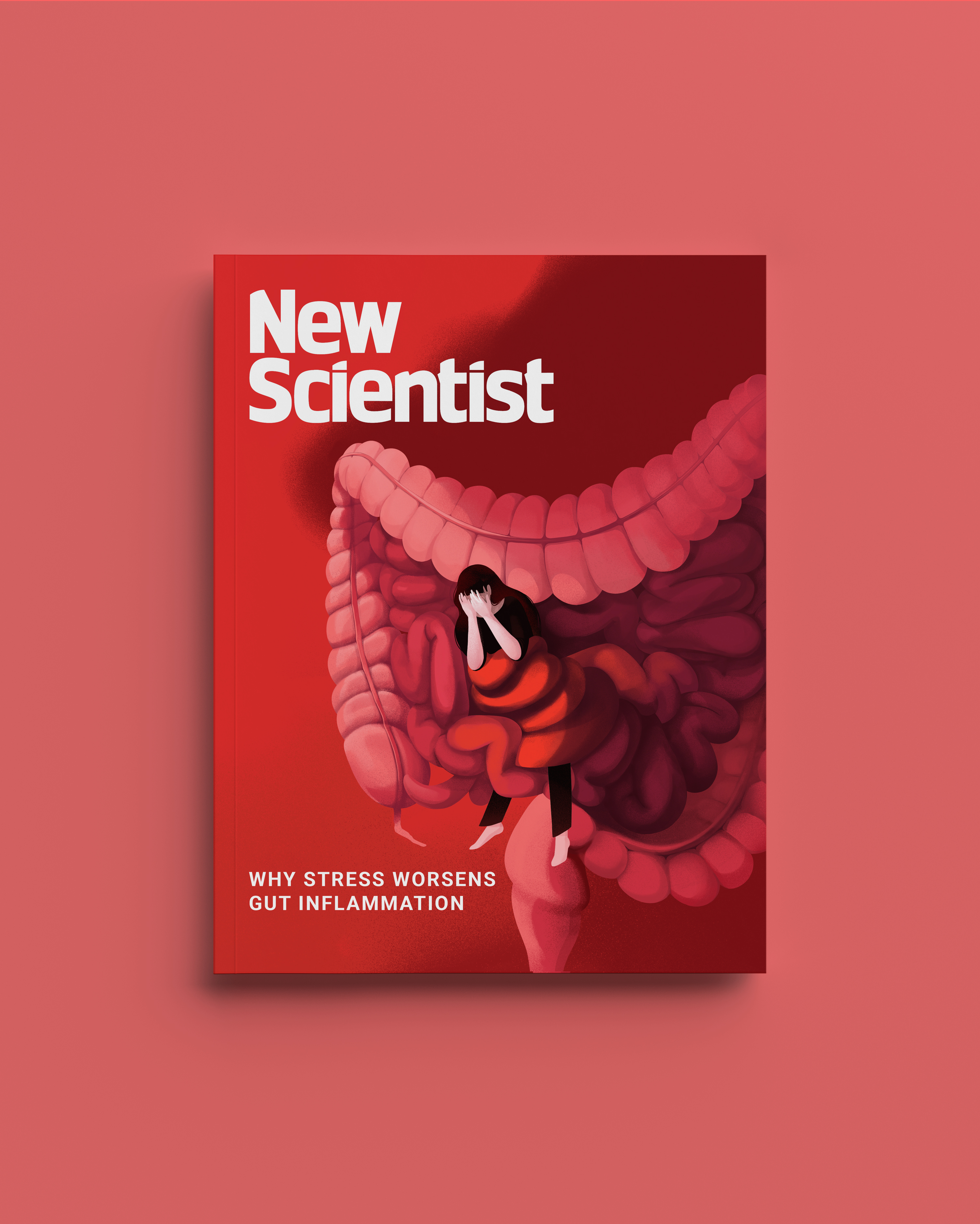
For mentees Cienna Smith and Viktor Melistas, the mentorship has been instrumental in helping them better understand the industry and in doing so, have more confidence navigating it.
Cienna, who was mentored by Raj Dhunna, reflects: “This mentorship has helped me with my goals by really demystifying the business side of illustration for me. As an emerging illustrator, I’ve often felt out of my depth with things like client acquisition, client retention, agency representation, file organization, and general professionalism.”
Similarly, Viktor, who was mentored by Matt Murphy, adds: “My mentorship with Matt has been an essential step in moving closer to my goals as an illustrator. He provides valuable insights into the world of illustration, helping me better understand the industry and what it demands.”
It’s much more clear for me now how to find my voice and how to position myself as an illustrator which helps to determine what industries and clients I want to work with. I also see that my skills have developed and I can handle more advanced and diverse briefs. I tried new areas of work like advertorial and advertising, learned pricing and outreach methods and gained more confidence in my practice.
Lilit Martirosyan, mentored by Ollie Hirst


For Hello Vonnie, the mentorship has allowed her to tackle her goals by offering a welcome opportunity to explore in a structured environment: “It’s been really nice to explore the direction I want to take with my work. Having deadlines and mock assignments has provided a structure that I sometimes struggle to create on my own.”
Some of the mentees have already achieved the goals they set at the start of the scheme, and we love to celebrate these successes.
Annika McFarlane outlined three clear aims at the beginning of the mentorship, “to create new projects that challenged me in areas I hadn’t explored yet, grow my confidence and self-belief, and improve at sharing my work”. With the help of her mentor Maggie Stephenson, she adds: “we tackled all of that, and more! She has been everything I could hope for in a mentor and she helped me exceed the goals I had for the program!”
Likewise, Julia Specht, mentored by Ari Liloan, is delighted to have achieved the three goals she set, all related to the editorial market: “The goals I set during our first meeting with Ari’s help were groundbreaking, and I am very proud to have achieved all three of them already – a feature, a UK publication, and a US publication.”
She has been everything I could hope for in a mentor and she helped me exceed the goals I had for the program!
Annika McFarlane, mentored by Maggie Stephenson
Gaining industry know-how


For many of the mentees, the mentorship has provided a vital connection to industry, demystifying the world of illustration.
Maksym Filipenko, mentored by Marcus Marritt, has had the opportunity to learn more about how to communicate with clients: “Marcus has given me a lot of tips and support on the business side of things. This includes advice on reaching out to and staying in touch with art directors, and even things like “chasing” clients who delay payments.”
Similarly, Julia Specht has been able to broaden her knowledge about several aspects of the industry, “from prospecting to contracts to international invoicing processes”. She adds “I benefit greatly from Ari’s extensive knowledge in these areas […] It is such a relief to feel that Ari has got my back in all areas of my working life as a freelance illustrator”.

For Annika McFarlane, working with her mentor Maggie Stephenson has encouraged her to think more strategically about her work: “Maggie is the perfect blend of a strategic mind with a kind heart. One of the things that I got to learn and experience first-hand with her is how to approach positioning my work strategically. She really taught me how every piece that we put out into the world can be strategic in getting us the kind of work we want to do.”
Having someone experienced in the industry available to reach out to is in itself a huge help for many of the mentees. Julia adds: “As I am still new to the illustration industry, it is extremely helpful to have such an experienced mentor as Ari Liloan at my side. […] Our monthly meetings are an anchor point for me, as I can ask Ari any questions that come up while working alone at my desk in the meantime.”
It is such a relief to feel that Ari has got my back in all areas of my working life as a freelance illustrator
Julia Specht, mentored by Ari Liloan
Taking practical steps
Taking practical steps, from responding to mock briefs, developing sketch work or better understanding the commissioning process, is an essential part of the mentorship process.
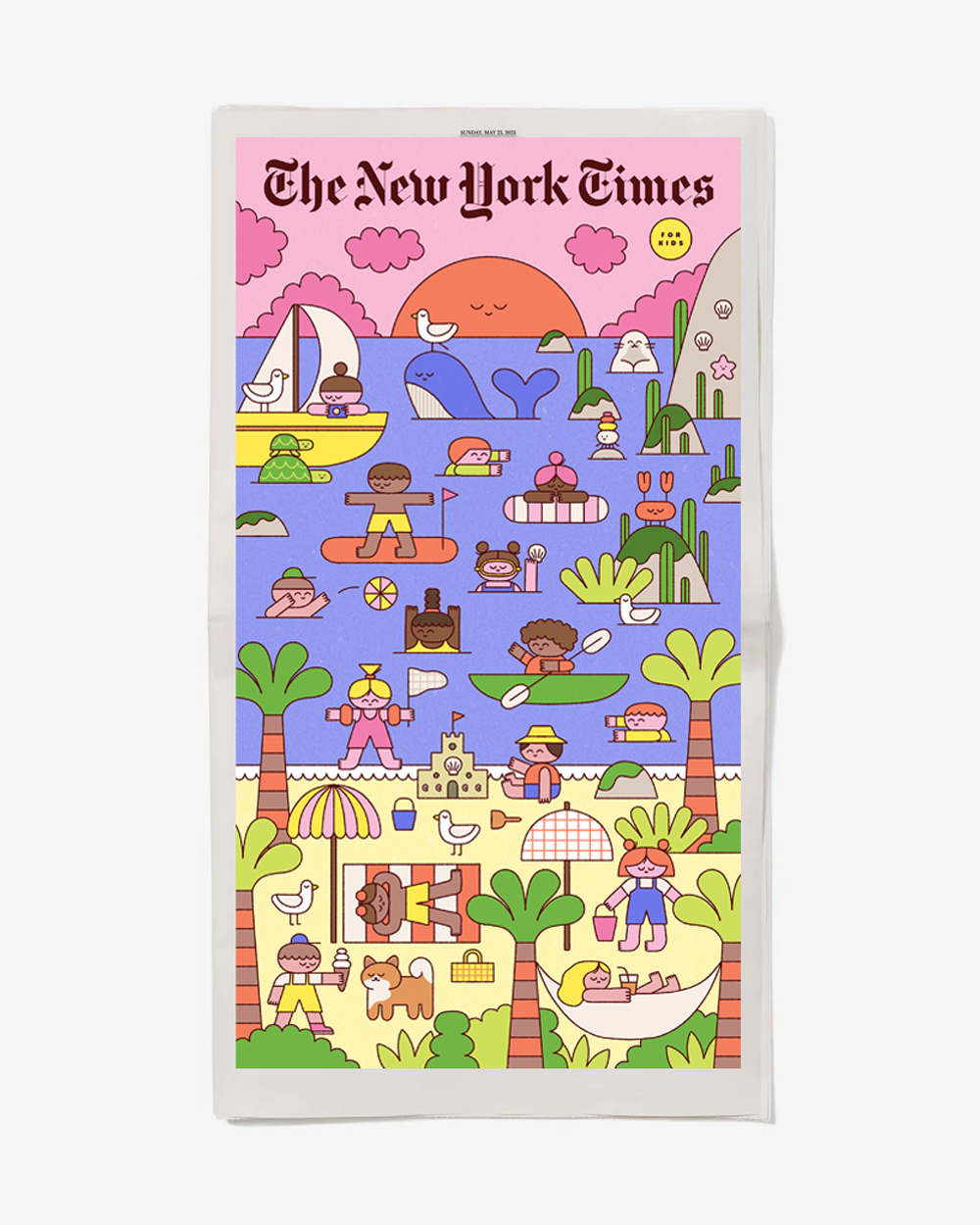
“Maggie showed me how she approaches an editorial brief from rough concept to final client-ready piece. We then worked together to complete 4 editorial briefs” says Annika McFarlane. “Seeing how she does things and then working through the whole process myself helped me become more confident in my own process, and also gave me a better understanding on how established illustrators are doing things; plus it was super fun!”
Lilit Martirosyan challenged herself to try new topics to illustrate, working on speculative projects based on real articles set by her mentor Ollie Hirst. “That way I learned how to handle complex briefs, learned concepting techniques, experimented with how to speak with colour and how to properly present everything”. She told us that Ollie was there for every idea pitch and every question, from work revisions to pricing. “He encouraged me to apply to awards and one of my editorial illustrations I did with him got shortlisted for Creativepool Annual Awards 2025 which was a huge motivation for me.”
Cienna Smith worked closely with her mentor to create stronger sketches, which has in turn improved her confidence when tackling editorial commissions: “Raj has helped me immensely with the starting point of editorial work—making strong, impactful sketches. That’s always been a bit of a weak spot for me, but his feedback has pushed me to think more critically about mood, impact, composition, and simplifying details. It’s made the whole process feel more natural and exciting and helped me feel more confident in approaching editorial assignments.”


With the support of her mentor Ollie Hirst, Dalia Bieliunaite feels her work has improved in quality. She has also been able to think more ambitiously about different ways her work could be applied.
Describing this, she says: “My mentor has pushed my work to a higher level by helping me in concept development. He also helped me to make my final illustrations look more clean and finished. I now approach editorial briefs with stronger ideas and clearer direction, which has improved the quality of my outcomes. Working on more ambitious formats like cover illustrations has helped me to think more broadly about the appliance of my art.”
Viktor Melistas was able to draw upon his mentor Matt Murphy’s experience, to get clarity on how to approach real life briefs: “First, he asked me to create variations of existing illustrations to explore different visual approaches. Then, he provided briefs similar to those given by magazines, leading me step by step through the professional process: generating ideas, sketching concepts, drafting illustrations, and finalizing images.” Viktor found that not only did this improve his creative and technical abilities, but also gave him a realistic sense of the process involved in an editorial commission.
Raj has helped me immensely with the starting point of editorial work—making strong, impactful sketches.
Cienna Smith, mentored by Raj Dhunna
Experimenting and trusting your gut
The mentorship scheme provides a supportive environment where mentees can share feedback, try new approaches or experiment, without fear of being judged or making mistakes. This is instrumental in developing their work and giving them confidence in their own creative voice.


Hello Vonnie reflects on this, and the supportive and cooperative relationship she built with her mentor, Sean O Brien: “He has been very enthusiastic and supportive throughout this process. The assignments he sent me are fun and align with my illustration style and personal goals. I feel like he has a good grasp of the illustration industry and its different aspects. And he is open to my feedback on what works and what doesn’t.”
For Maksym Filipenko and Viktor Melistas, mentorship allowed them to step outside of their comfort zone, experimenting with different subjects and techniques.
Maksym says: “First, I’m grateful Marcus challenged me to draw things out of my comfort zone (like architecture). I am definitely getting more confident with it now, and know better how to incorporate it into my illustration style. Second, Marcus has helped me to push my animation skills. I’ve done things I never thought I could do, actually.”
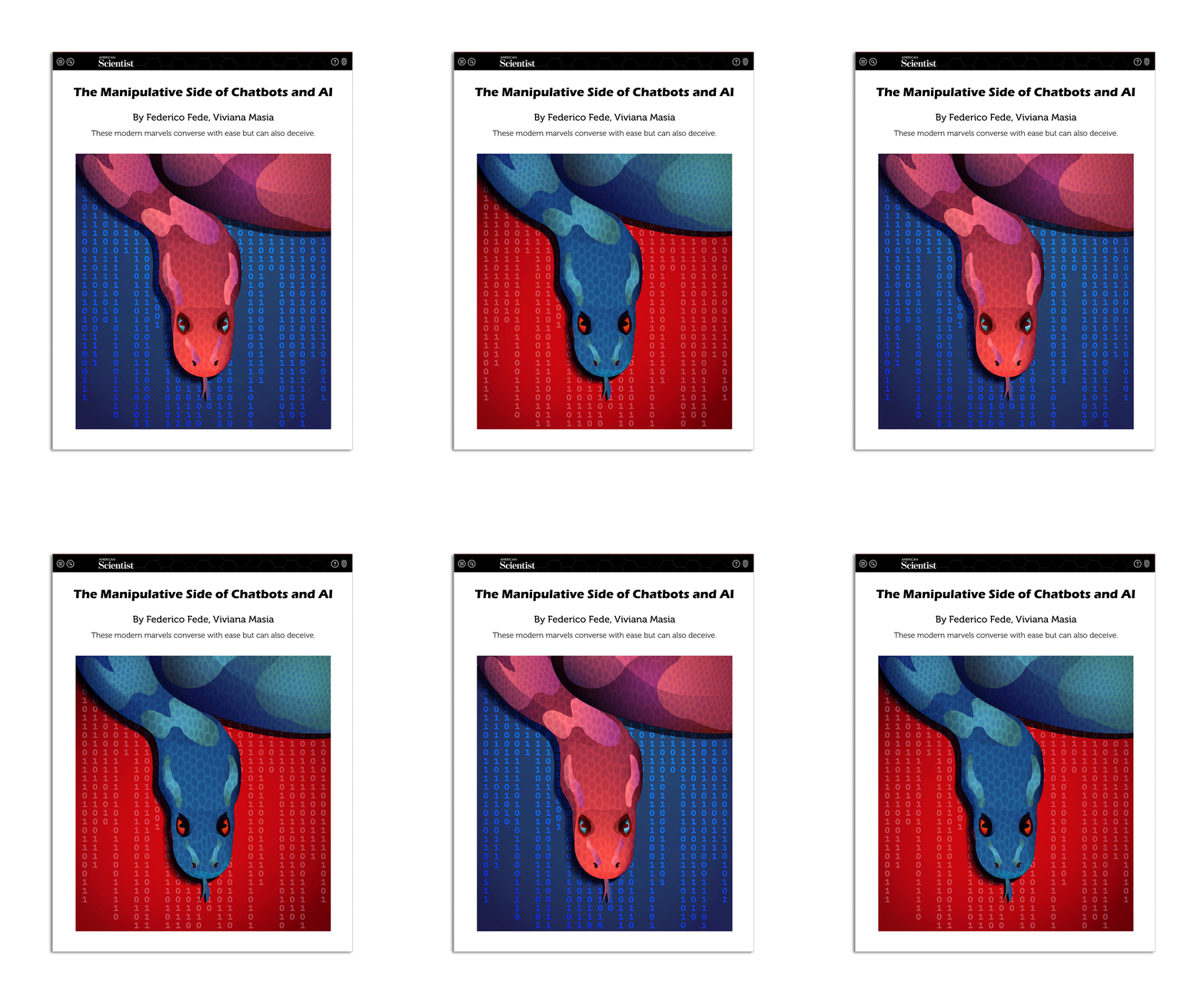
Similarly, Viktor found: “Each new brief he assigns is a challenge that pushes me outside my comfort zone and motivates me to think in fresh, innovative ways. This process allows me to grow not only in generating ideas but also in strengthening the technical side of my craft, making my work more complete and professional.” This, he says, in turn gave him the confidence to trust his creative voice while also refining his skills.
Dalia found that the mentorship gave her the confidence to believe in herself and her process, ultimately learning to trust her gut: “The key turning point was when I started to believe in my abilities to make more professional illustrations. That helped me to feel more confident spending more time finalizing my illustrations making them more refined and bringing them to the next level.”
Reflecting and learning
All of the mentees have drawn key learnings from working with their mentors which they can now take with them as they move forward in their careers.
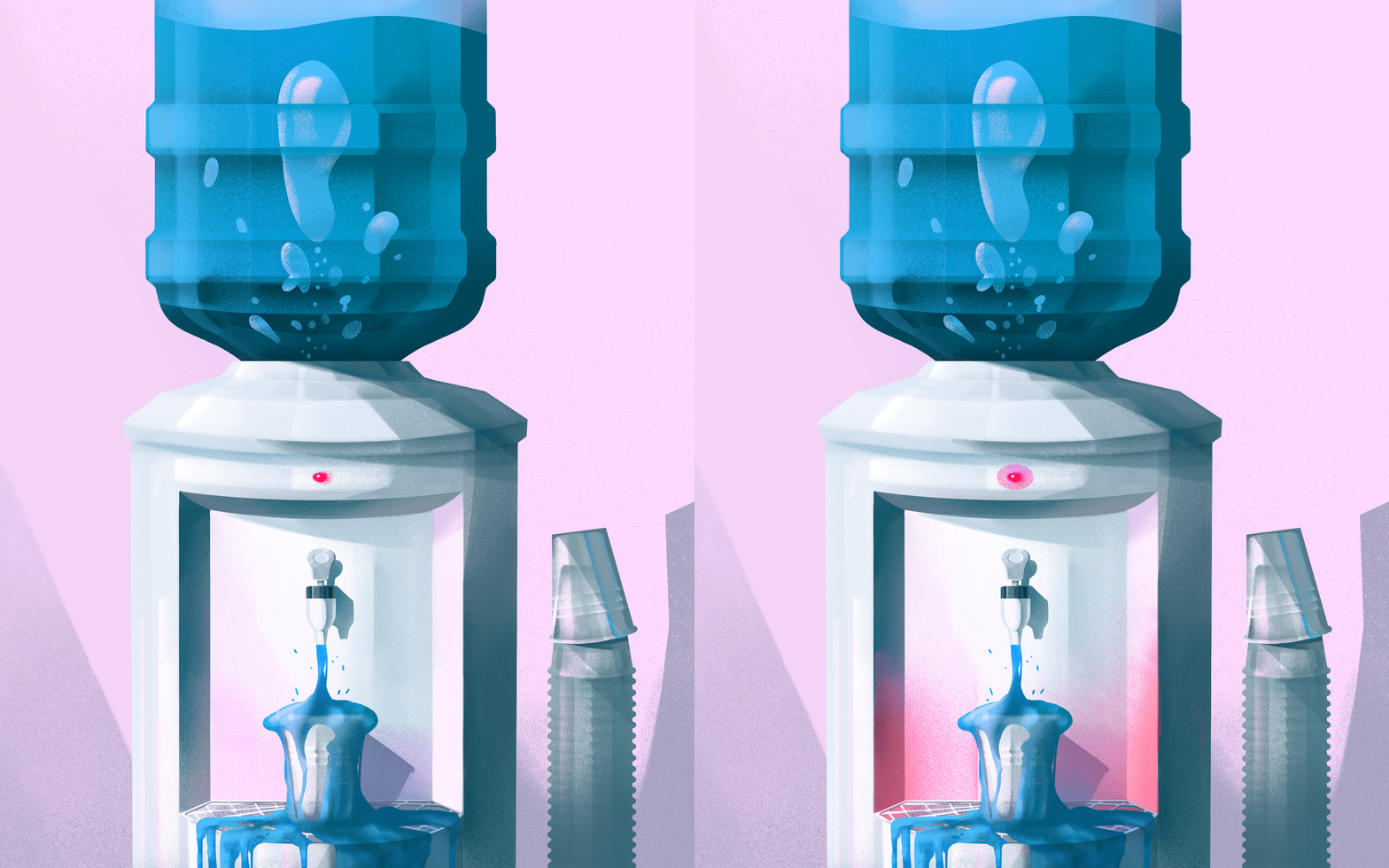
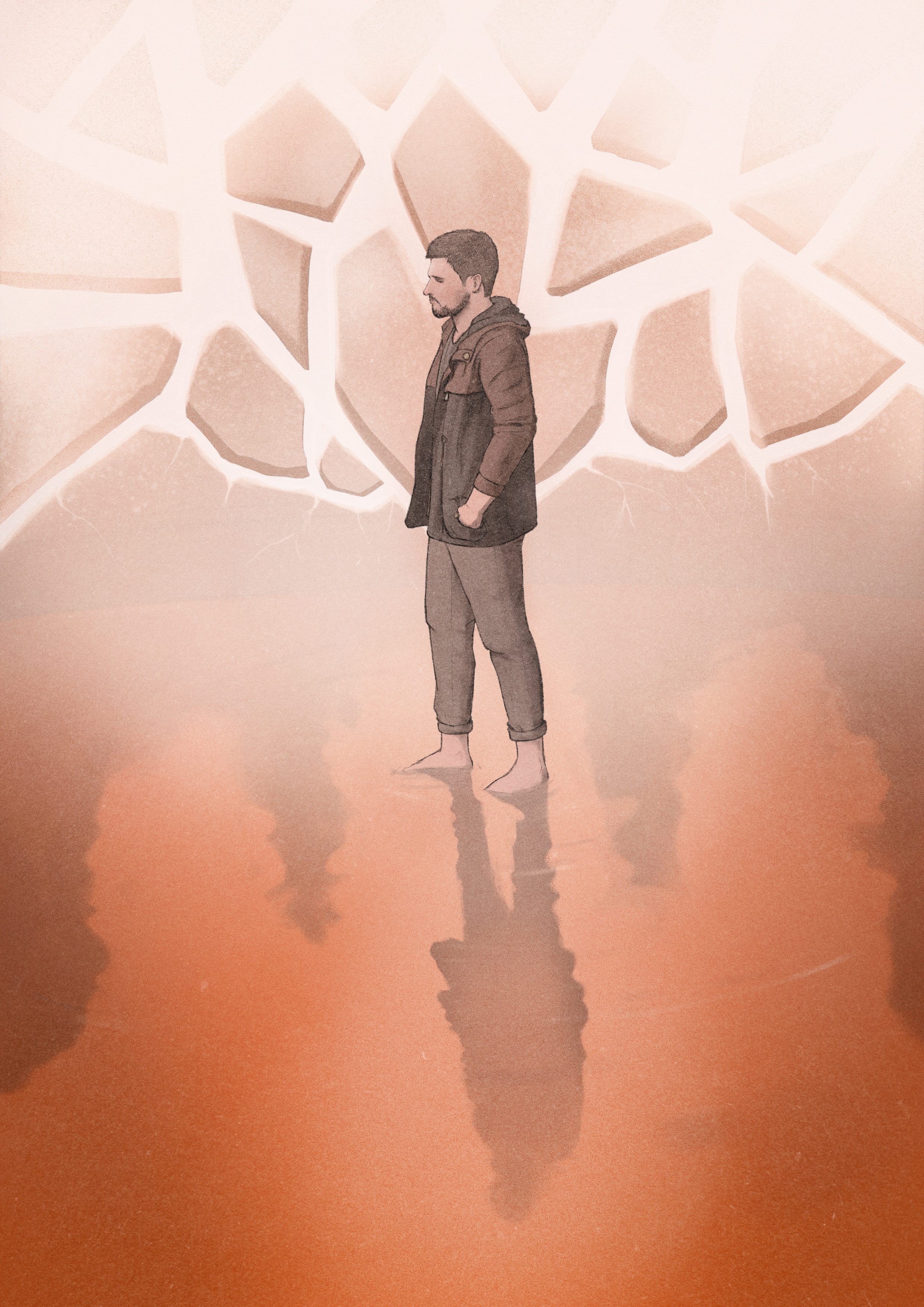
Sometimes, it’s not even about the skills per se. It’s about learning confidence or simply receiving reassurance that I am on the right track. I work alone from home, so having someone more experienced to talk to is golden and can have a very positive impact on mental health.
Maksym Filipenko, mentored by Marcus Marritt
Cienna Smith found it hugely helpful to learn from her own mentor’s process. She says: “Raj has been very open about his own process, which has given me a clearer sense of how to balance business admin with creative work and feel more grounded in my career path.”
Similarly, Hello Vonnie’s learnings were centred on the business side of illustration, specifically self-promotion: ““One of the major things is just to keep at it. Keep emailing your work to potential clients, keep showing up. The more you put yourself out there, whether it’s through social media, your portfolio website, or sending emails, the more opportunities will eventually come your way.”
For Annika and Dalia, they have both learnt how to think more strategically, with thanks to their respective mentors, Maggie Stpehenson and Ollie Hirst. Annika says: “it was so eye-opening to see how someone with such emotional and soothing illustrations approaches things with such a razor sharp strategic mind and how I can apply this mindset to my work too.”
For Dalia Bieliunaite: “I’ve also got a lot of knowledge about how to strategically look at my career. With Ollie’s guidance, I’ve been able to take on more ambitious projects, such as illustrating a magazine cover and making a gif. I have also started to work on advertorial and commercial projects”.
Lilit Martirosyan, also mentored by Ollie Hirst, got to learn firsthand new skills to translate text into visuals. “In the editorial section specifically it became really helpful to learn to transcribe articles for concepting. Once you write out a few key points or phrases from the text, the ideas and metaphors start popping in your head.”
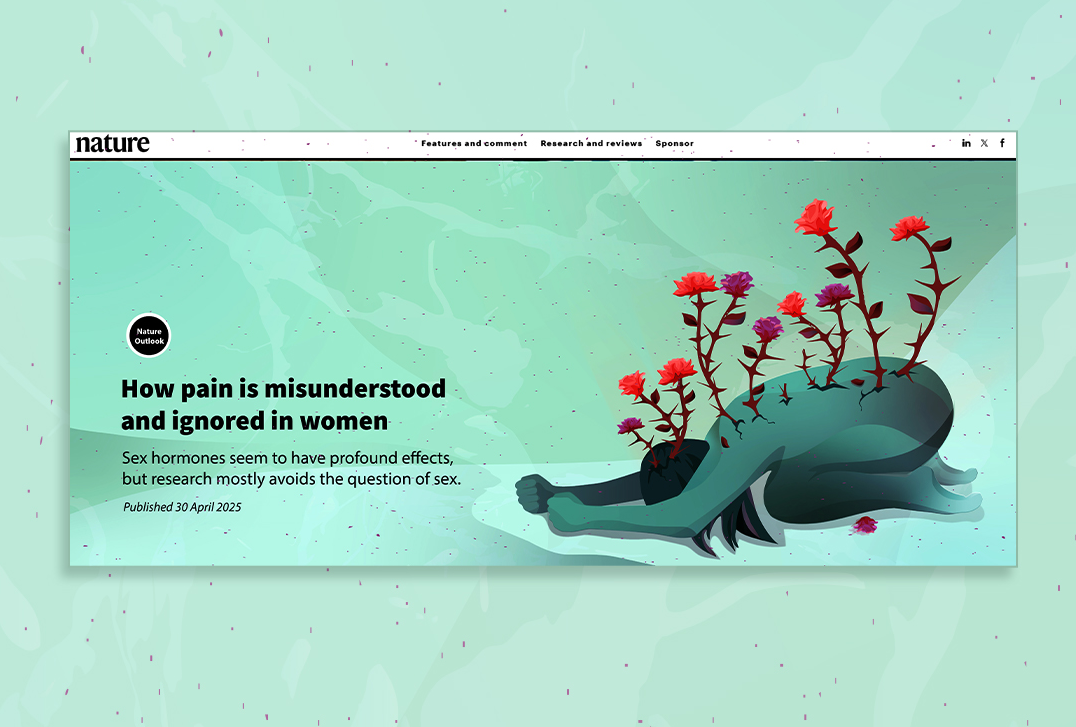
For many of the mentees, what they have gained has in fact been more intangible; for example, building self-confidence, receiving reassurance or being able to talk to someone who understands. This connection, community and care is instrumental in supporting mentees as they progress in their careers.
Maksym says: “Sometimes, it’s not even about the skills per se. It’s about learning confidence or simply receiving reassurance that I am on the right track. I work alone from home, so having someone more experienced to talk to is golden and can have a very positive impact on mental health.”
We want to thank mentees Annika McFarlane, Cienna Smith, Dalia Bieliunaite, Hello Vonnie, Julia Specht, Maksym Filipenko, Viktor Melistas.
With special thanks to our mentors for sharing their support and expertise with their respective mentees.
Back to News Page