
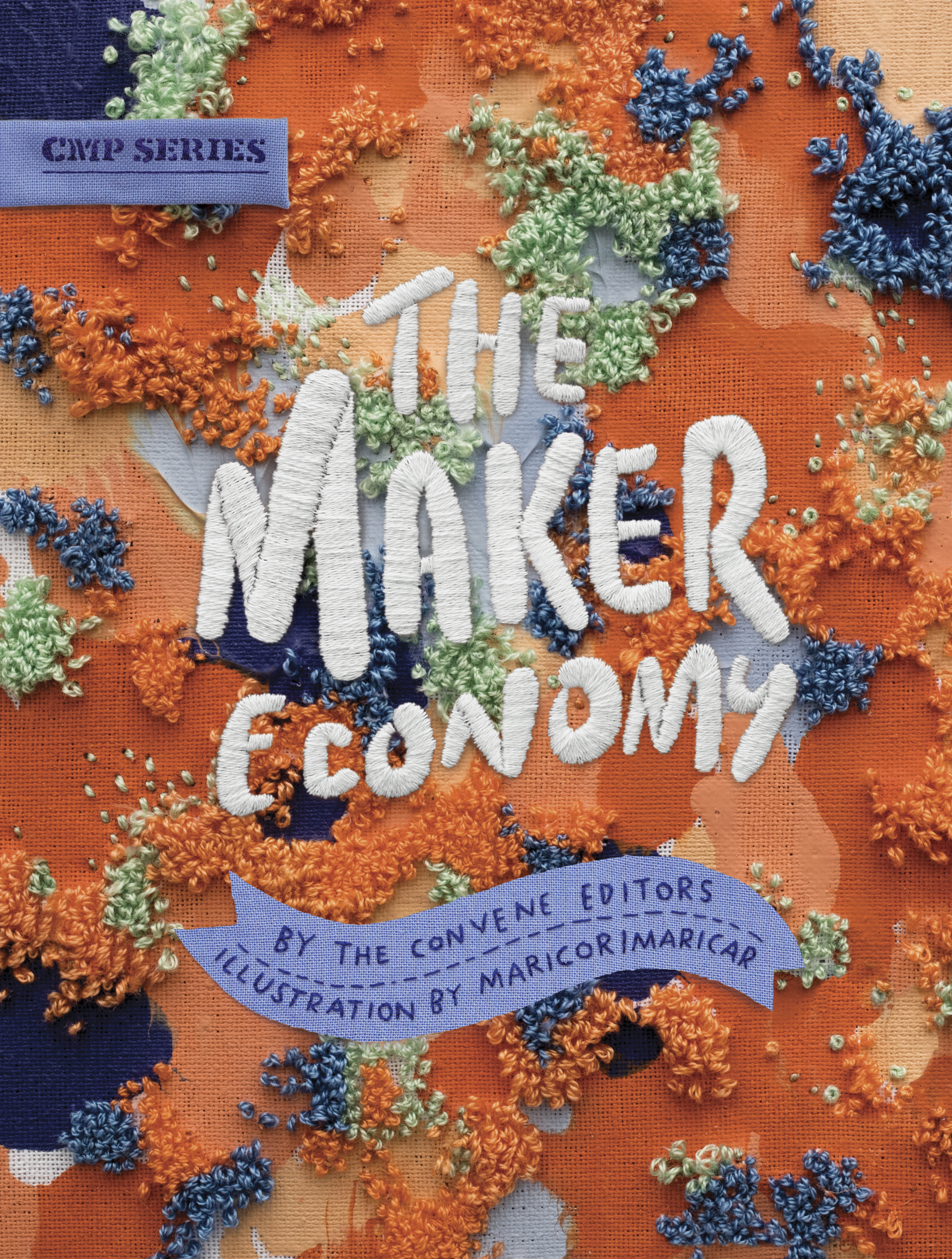
Embroidery, a classic handmade art form, is the specialisation of illustration duo Maricor/Maricar, who discuss what it’s like working closely with a sibling, the benefits of having four hands, experimentation with textile forms and more with Greg McIndoe.
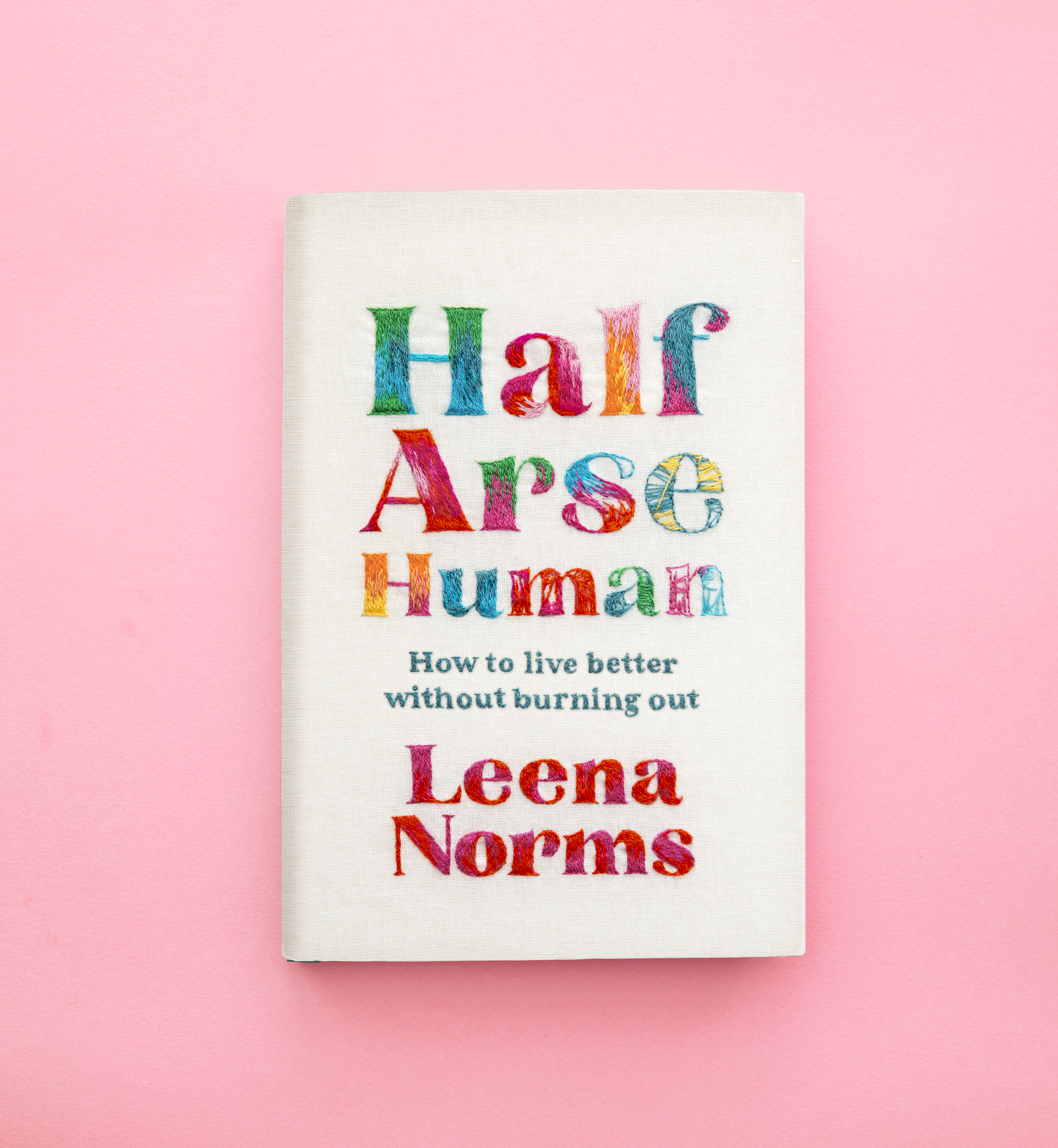
The sisters are commissioned from a broad range of clients, including magazine and book publishers, and they also do stop motion animation and create and sell their own products.
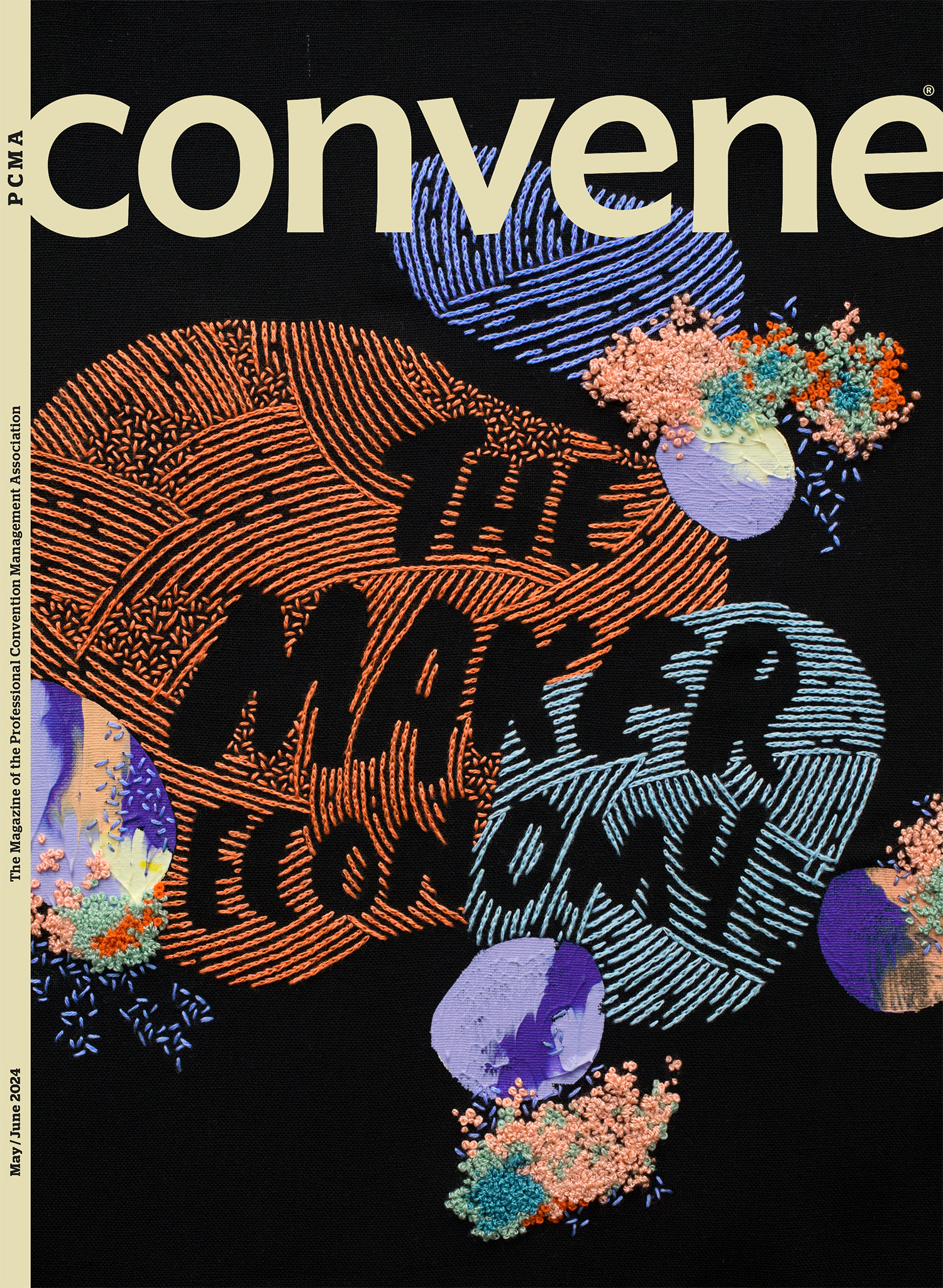
“If I were a solo freelancer, I’d get pretty lonely,” says Maricar, speaking about working with her twin. Together, the Sydney-based sisters run Maricor/Maricar, an illustration business specialising in creating intricately detailed embroidered artworks for clients including West Elm, The Washington Post and Vogue Japan.
Working as a duo has plenty of benefits. Two brains working as one doubles the number of ideas that can be generated, while four hands are a huge help when there are countless stitches to be stitched. “If it were just one person, they would be burning out from the physical side of stitching everything themselves,” says Maricor, the other half oft
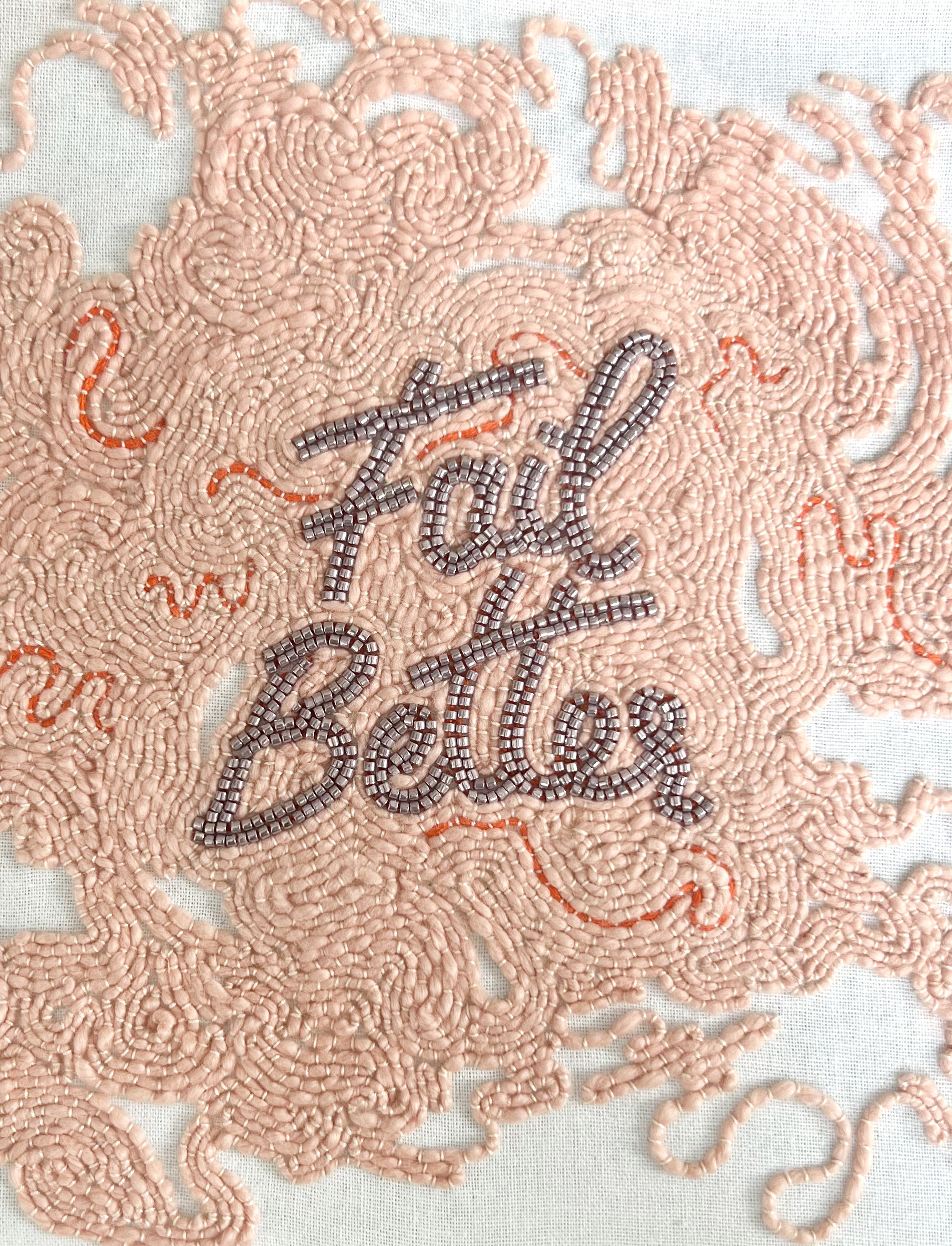
Collaboration is at the heart of Maricor/Maricar, and the sisters allow their creative process to unfold organically as a project develops. When given a brief, they both respond with their own set of ideas and whoever’s concept is chosen by the client takes the creative lead on the project going forward. .
This process is harmonious for the most part, but as with any working and/or family relationship, there are moments of friction. “We don’t often disagree with each other, but when we do, it can get heated,” says Maricor. Her sister adds, “Being siblings and identical twins, we often expect to always agree on things. So when we have a difference of opinion on a project, it can be jarring. Usually in those instances we’ll work up both our approaches and at the end either we collectively agree one is the better approach or let the client decide if we really can’t agree!”
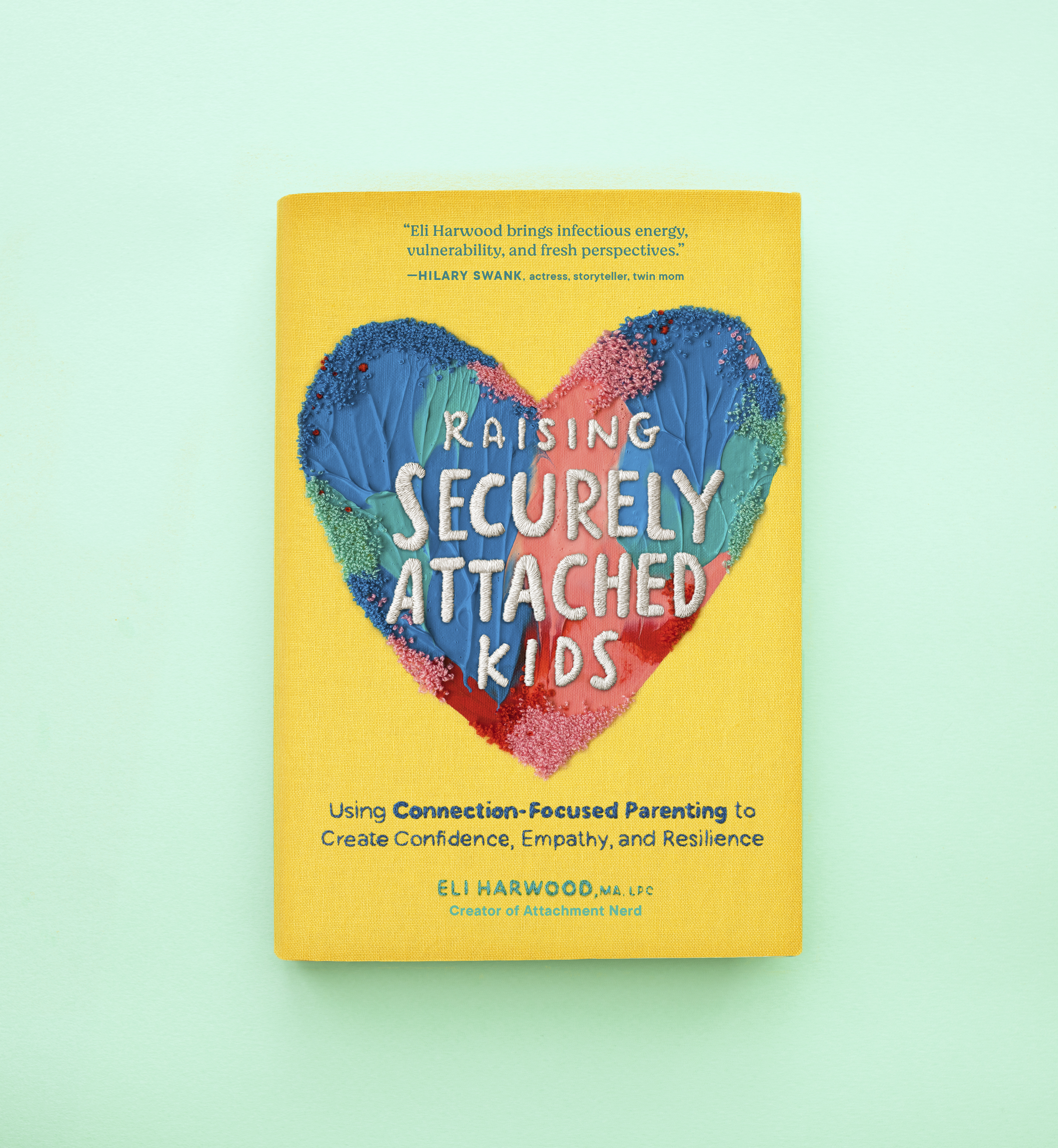
Maricor/Maricar can speak to each other with a level of bluntness only siblings can get away with, meaning any disagreements are resolved as swiftly as they arise. One thing the twins always agree on is their love for the tactile aspect of their craft. “There’s dimension and texture that is unique to handmade graphics,” says Maricor. Maricar concurs, explaining: “I love the whole process of working with a physical material and shaping a graphic. I think it speaks to the part of me that likes detail, complexity and the warmth you get from textures building up.”
The tactile nature of embroidery presents its own unique challenges, especially when photographing artworks. Handling all of the photography in-house, they are faced with the challenge of striking the perfect balance of light and shade so that every morsel of texture and line of thread looks as good on screen as it does in real life. Photography and the retouching which follows are Maricor/Maricar’s least favourite stages of the creative process but they are key to allowing this traditional medium to continue thriving in an increasingly digital age.
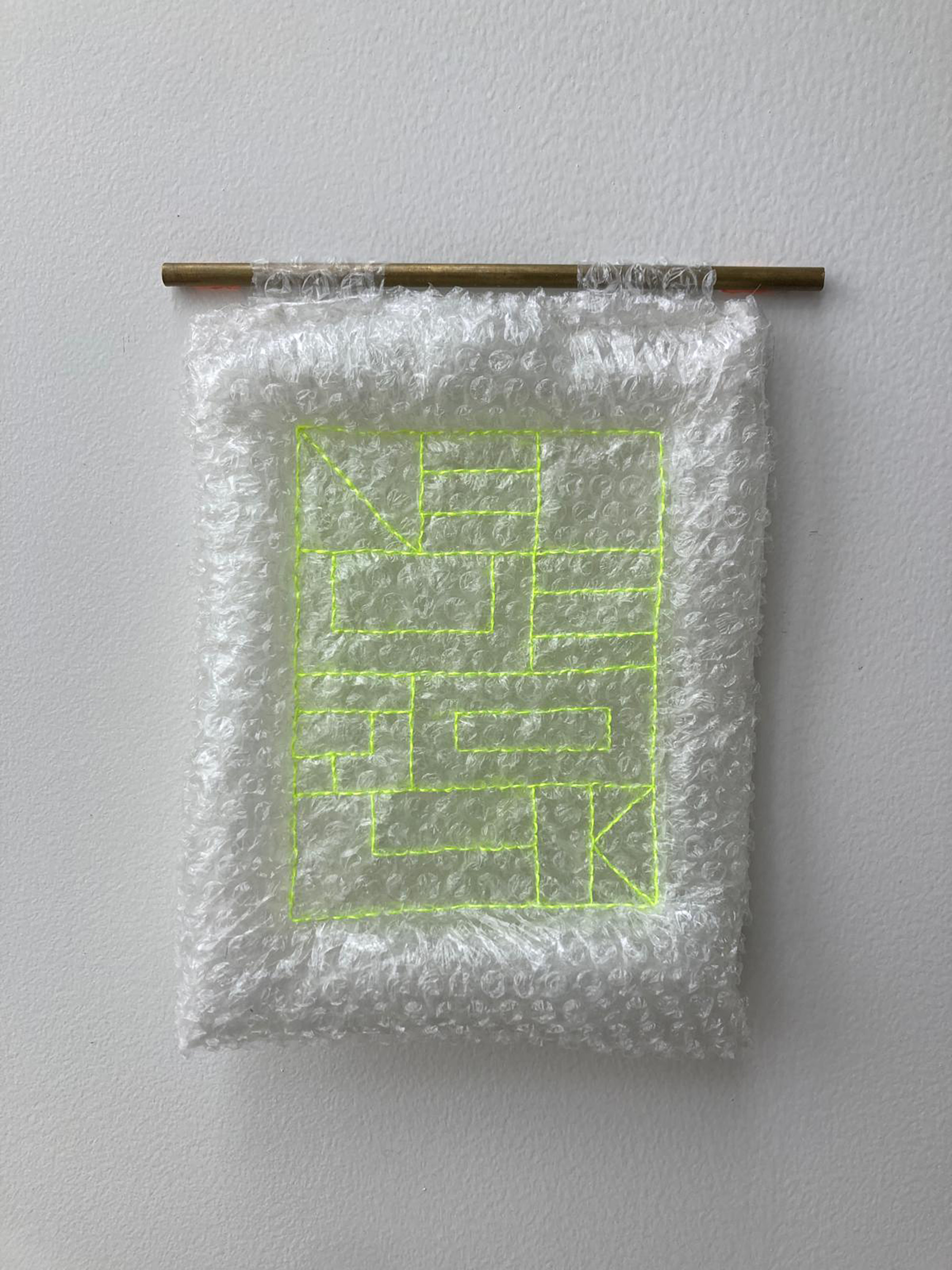
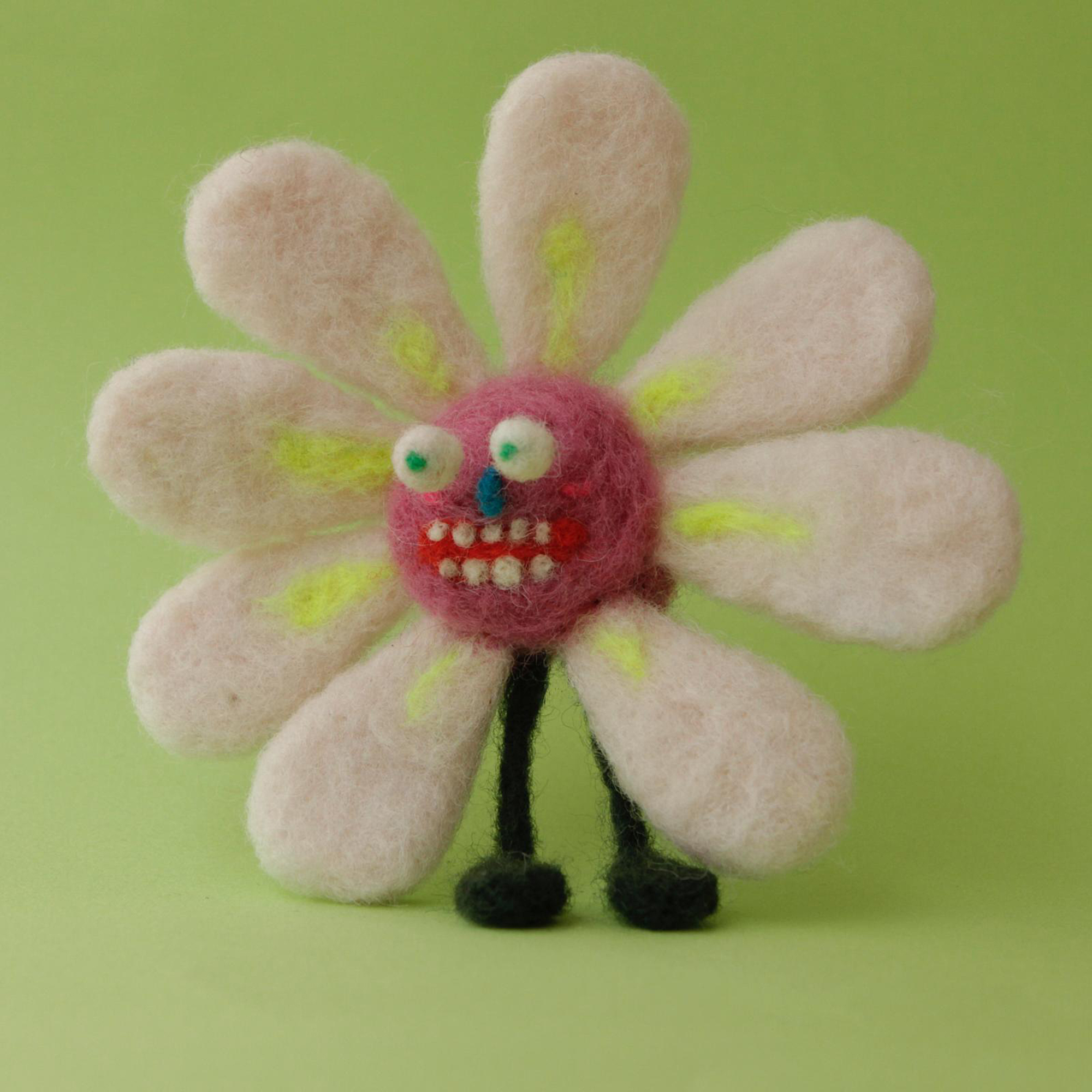
Another crucial aspect of Maricor/Maricar’s process – and one they are always much happier to make time for – is experimentation. The sisters always have personal projects on the go (they are currently learning how to weave, knit, and needle felt) which inevitably inform their client work. “Some embroidery techniques take a while to develop, so without the ability to take our time honing those skills on personal projects, we probably wouldn’t find a way to use them in commercial projects where deadlines are tighter and we can’t undo things if they’re not looking right,” Maricor explains.
She continues, “Also, we get a lot of clients who come to us with examples of our personal projects wanting something with a similar feel, so it’s definitely directly informed our commercial work.” Maricor/Maricar’s style and skill set are constantly evolving because they never forget to prioritise play.
The benefits of honing their craft go beyond professional development. Keeping their hands busy helps soothe their minds, enhancing their mental well-being. “We’re both pretty restless people,” says Maricar. “Embroidery is quite repetitive, so the action of stitching calms that restlessness.” Maricor seconds this sentiment: “Being creative and working with tactile materials is very soothing for me, so I usually like to experiment with different materials and textile crafts in between projects.”
Having poured countless hours into their beloved craft, Maricor/Maricar have learnt a thing or two about embroidery, and they are more than happy to share their wisdom. “Be open to trying out a wide variety of embroidery and needle craft techniques early on, and don’t get too caught up in whether you’re doing things ‘the right way,’” advises Maricor.
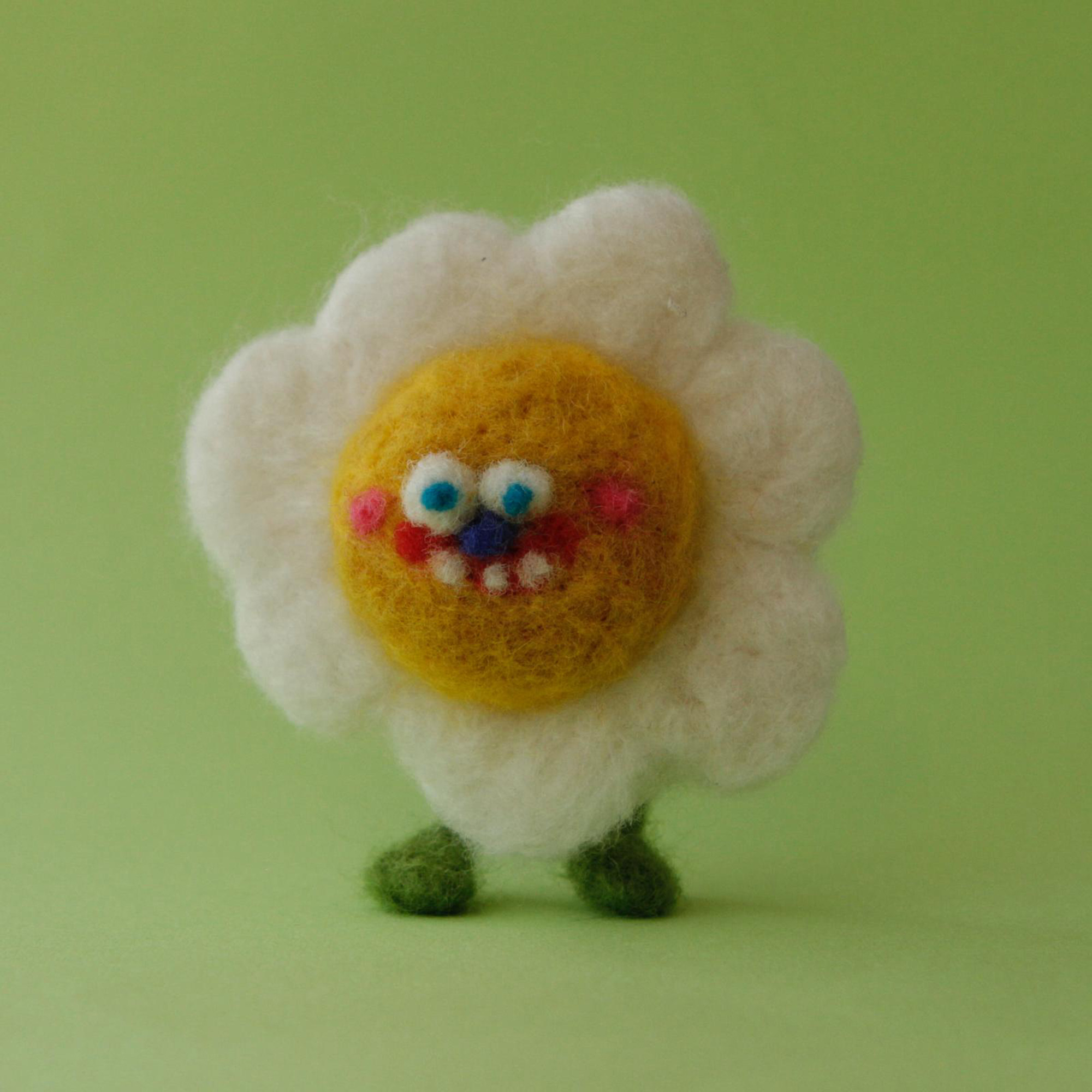
“We were self-taught and, at times, a little self-conscious about it. But that freedom to experiment is where the real growth happened,” Maricar reflects. “And please, don’t hoard your materials. Use them. Play, sample, experiment, and make mistakes. Some of our best ideas came from those so-called ‘happy accidents’ that only happen when you give yourself permission to explore.”
Read More
Illustration for Gaming season interview with A Profound Waste of Time founder here
Fashion Season interview with fashion agency Lipstick of London here
Publishing: Book Covers interview with illustrator Xia Gordon here
Site Specific Illustration interview with mural expert Sam Roberts here
Illustration for Children Season interview with illustrator Alex T Smith here
Editorial Season interview with AD Sarah Habershon of The Guardian here
Branding Season interview with Uncommon Studio’s Jhy Turley here