
AOI Mentorship: Developing storytellers – Part 1
Nine of our mentees share what they’ve learnt and achieved over the last six months.
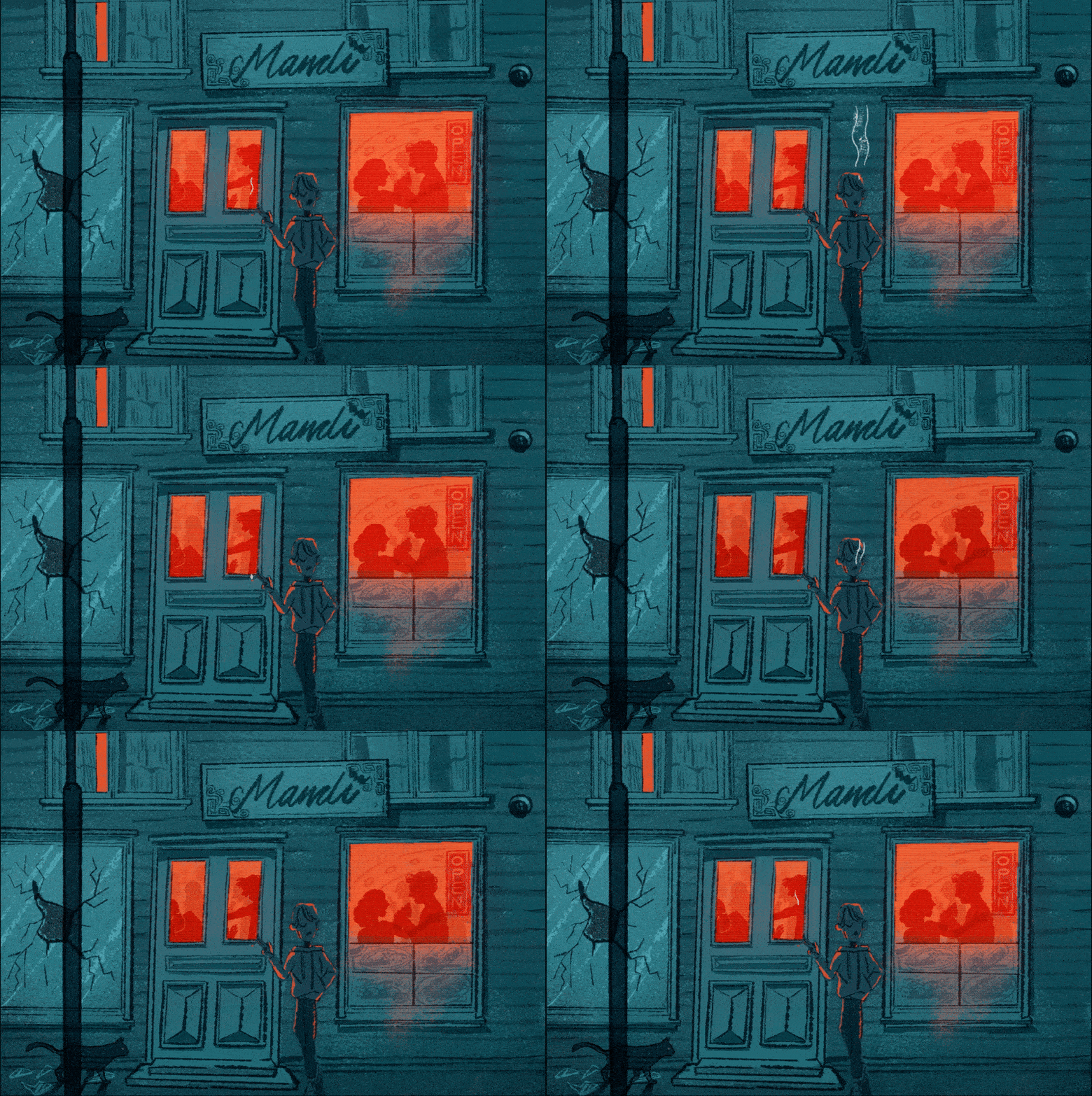
As we rapidly approach the end of 2025, we can’t let the year end without touching on one of our most fulfilling initiatives: the AOI Mentorship scheme.
Run freely by illustrators for illustrators, with support from the AOI, the yearly programme supports a select cohort of underrepresented illustrators based in the UK as well as internationally, pairing them with an Illustrator or Agent who generously provide 1-1 advice and guidance for a period of up to 6 months – always grounded on each mentee’s set goals, laid out from the very start.
In recent years we’ve seen our AOI mentees kickstart their illustration careers, go on to gain agency representation, win competitions and secure dream commissions.
We catch up with our 2025 mentees in a series of article features. In this first parter, we interview nine mentees who’ve focused on developing their storytelling skills and expand their portfolios into the publishing industry.
Tackling goals
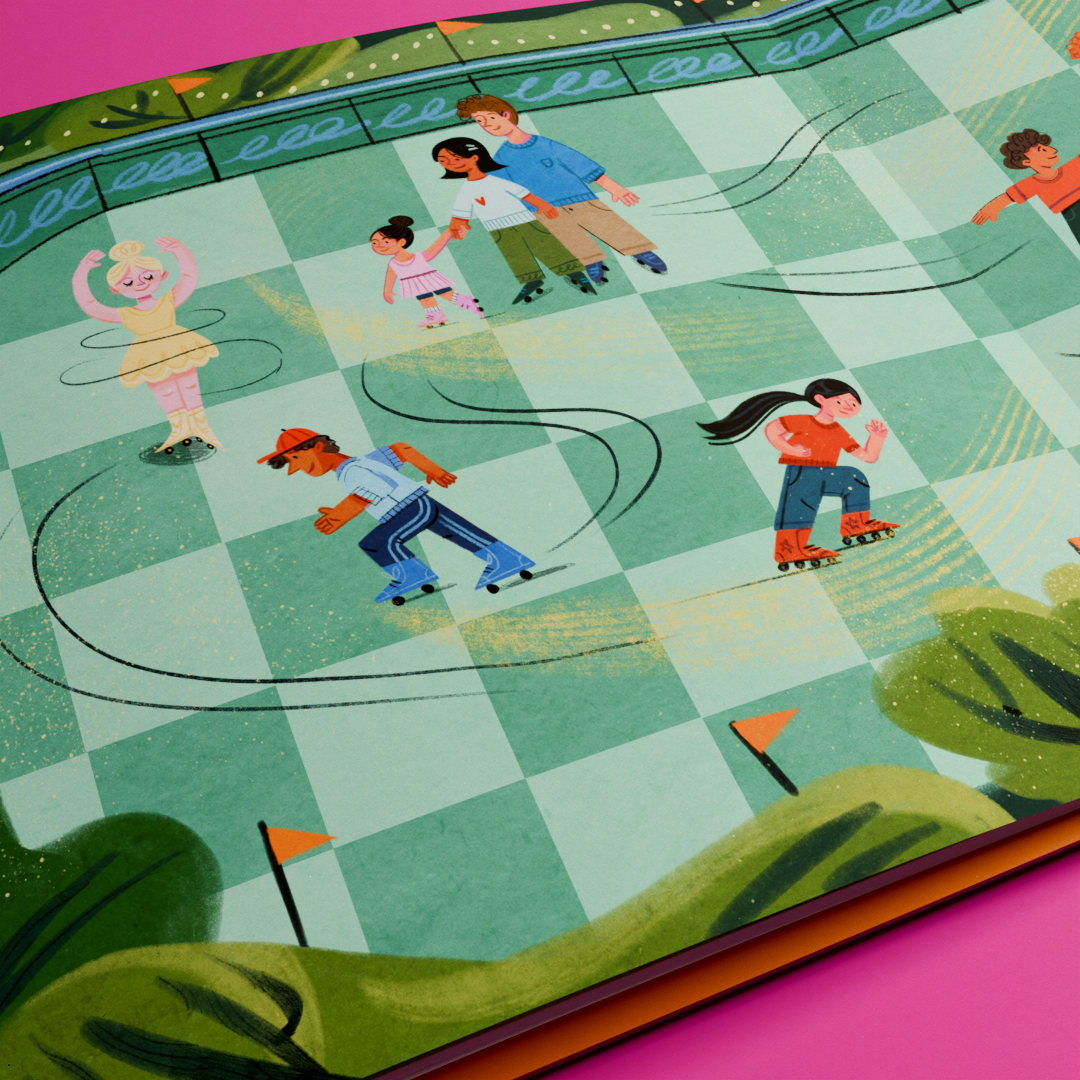
At the start of the scheme we asked all mentees to set clear goals (no matter how broad or specific) of what they’d like to achieve by the end of their mentorship sessions.
For Maria Bautista Signorini this meant “becoming a better storyteller by developing a picture book, from early concept to a finalized project”. Meanwhile, Jacob Gong wanted to tackle speeding up his working process. “I have a somewhat similar rendering approach to my mentor Kingsley Nebechi, so when he showed me his workflow from sketch to finish, I was able to refine and streamline my own process based on his suggestions.”
Erin May Cooper, mentored by Ruthine Burton, shared that “having a deadline and a goal to achieve has been incredibly helpful in making sure I stay on track and has made the experience feel very rewarding, as I know what I must focus on and what I need to do”.
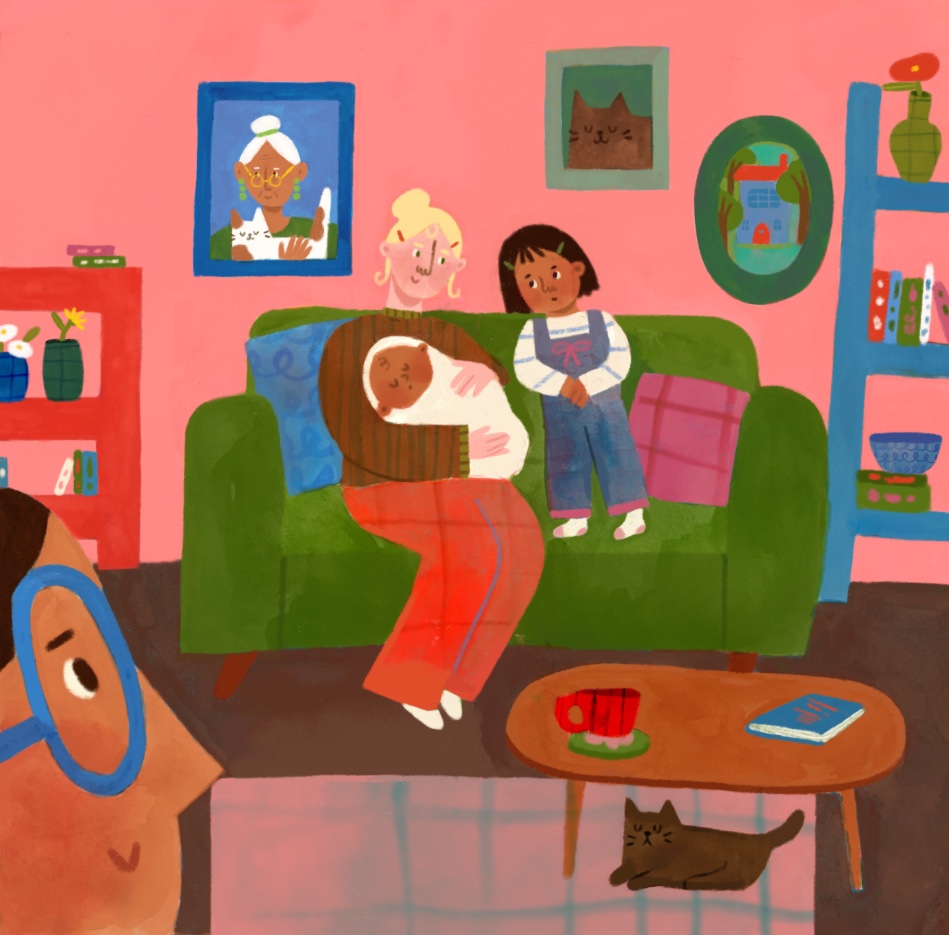
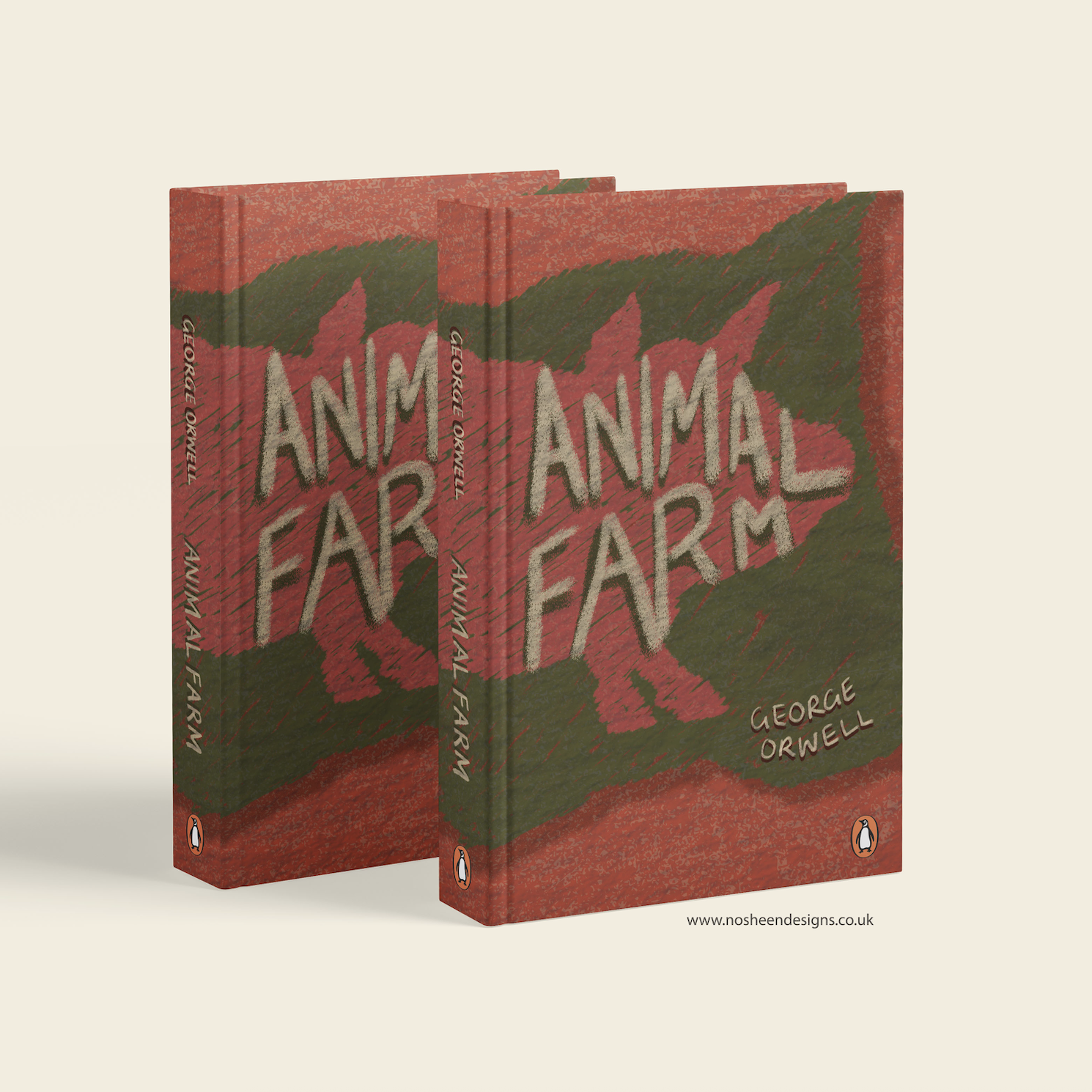
We understand that sometimes it can feel overwhelming to achieve all tasks equally, but the scheme has been designed to support each mentee as meaningfully as possible. Nosheen Ahmed tells us how “my mentor, Rachelle Panagarry, has assisted me in breaking down my goals and focusing on one thing at a time, rather than trying to cram everything in all at once. I have enjoyed every minute of it.” In a similar way, Amber Lim Shin enjoyed a clear sense of direction from her mentor. “Kingsley encouraged me repeatedly to focus on what interests me as an artist and being selective about which feedback to absorb. That was important to help me navigate the lack of direction in my own artistic ambitions.”
I feel that the whole process is very natural and comfortable. Frenci has understood very well what I want to achieve
Nur Ventura, mentored by Frenci Sanna
Gaining industry know-how

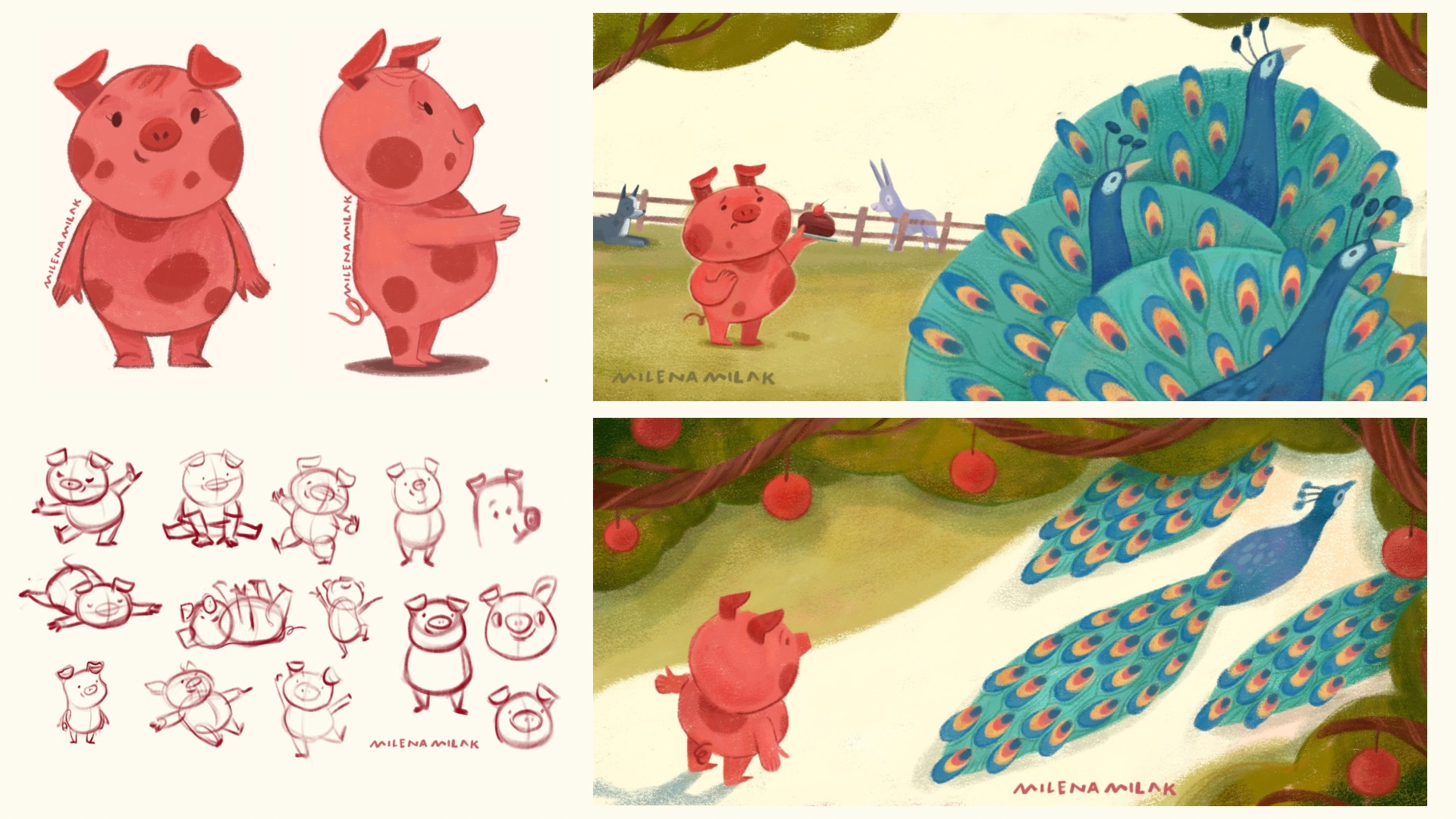
Mentees Milena Milak, Maria Bautista Signorini and Jacob Gong also told us how they learnt more about the business side of illustration through their mentors. As a result, Maria is now submitting more to competitions and (soon) publishers; others, like Milena, are creating new personal works that attracts future publishers, agencies and clients.
In a similar vein, Spanish-based mentee Nur Ventura has learnt more about how the international publishing sector works through her mentor Frenci Sanna. This has helped her better prepare to gain international exposure, and “approach my personal project from a completely new perspective.” Milena Milak adds that “I’ve learned a lot about building visual narratives by using different angles and compositions, as well as how to create characters that can appeal to publishers from different countries and cultures.”
For Joumana Ismail (mentored by James Childs of Bold Child) the mentorship has made her realise the importance of “broadening my interests. I need to explore a greater variety of topics and genres, especially as I aim to increase my illustration commissions.”
The mentorship has also really helped me with creating work(s) that I feel proud of and confident in, so it has really boosted my confidence in that respect.
Erin May Cooper, mentored by Ruthine Burton
Taking practical steps
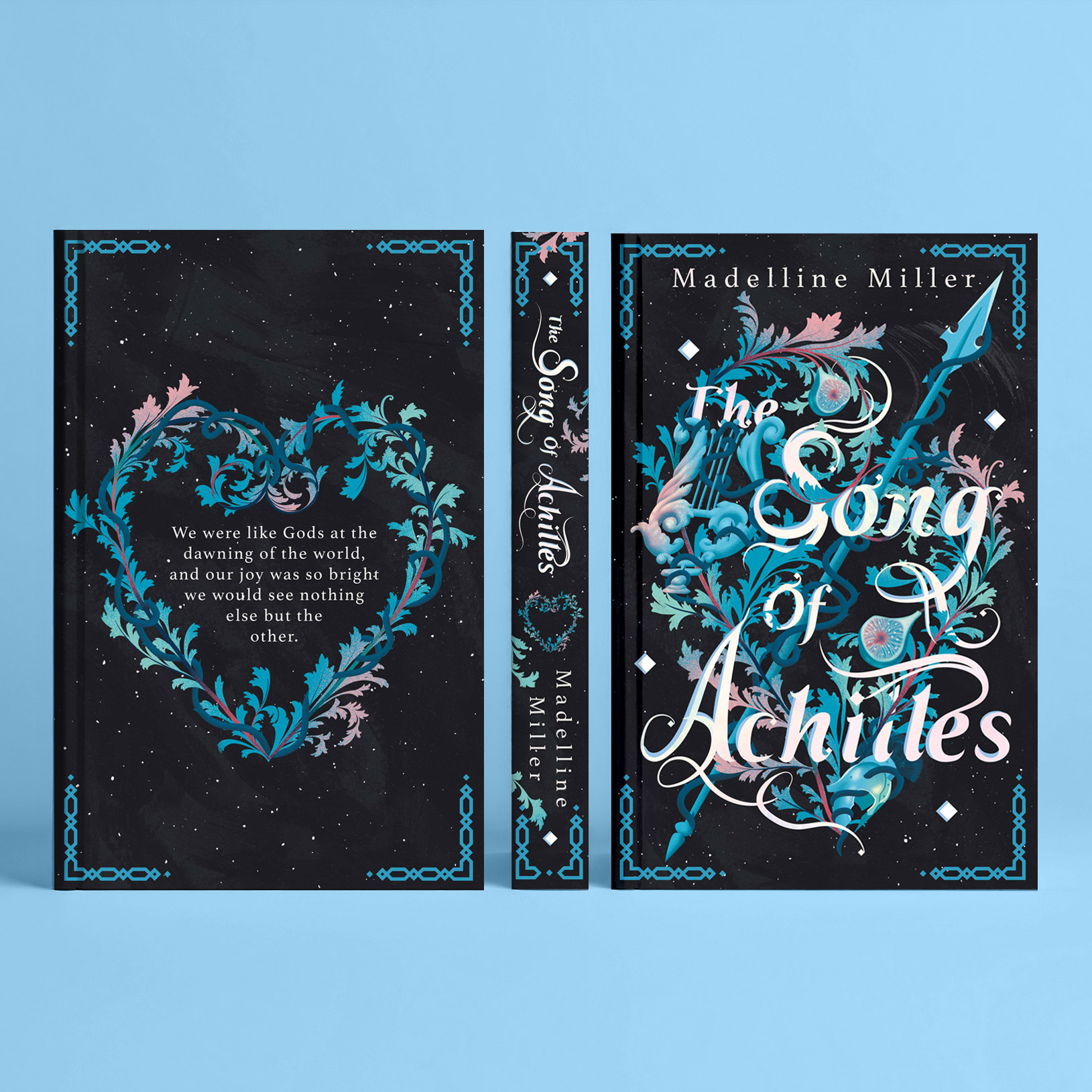
“My mentor has been giving me project briefs that suit my style, along with lots of support and helpful tips. This has really helped make my portfolio look more professional.” Says Helen Lo, who was mentored by Carina Lindmeier. “Her encouragement has been a huge confidence boost, and it’s also been great to connect with other illustrators who are in a similar position to me.”
Likewise, Jacob Gong worked with his mentor Kingsley Nebechi to push more narrative into his illustrations. “We discussed how storytelling is rooted in personal experiences and interests. Kingsley asked me to make a list of my top inspirations, such as my childhood city, favourite artists, or even random topics I’m drawn to. We used these as starting points to develop concepts and narrative pieces. I finished an illustration based on one of the ideas we developed: an ice cream truck run by ghosts in a quiet neighbourhood.”


Similarly Maria has “received amazing feedback from my mentor (Frenci Sanna), which has helped me bring my book idea to life.” Throughout the process she’s learnt that “that the idea is the core and most essential part of creating a story. It ties everything together.”
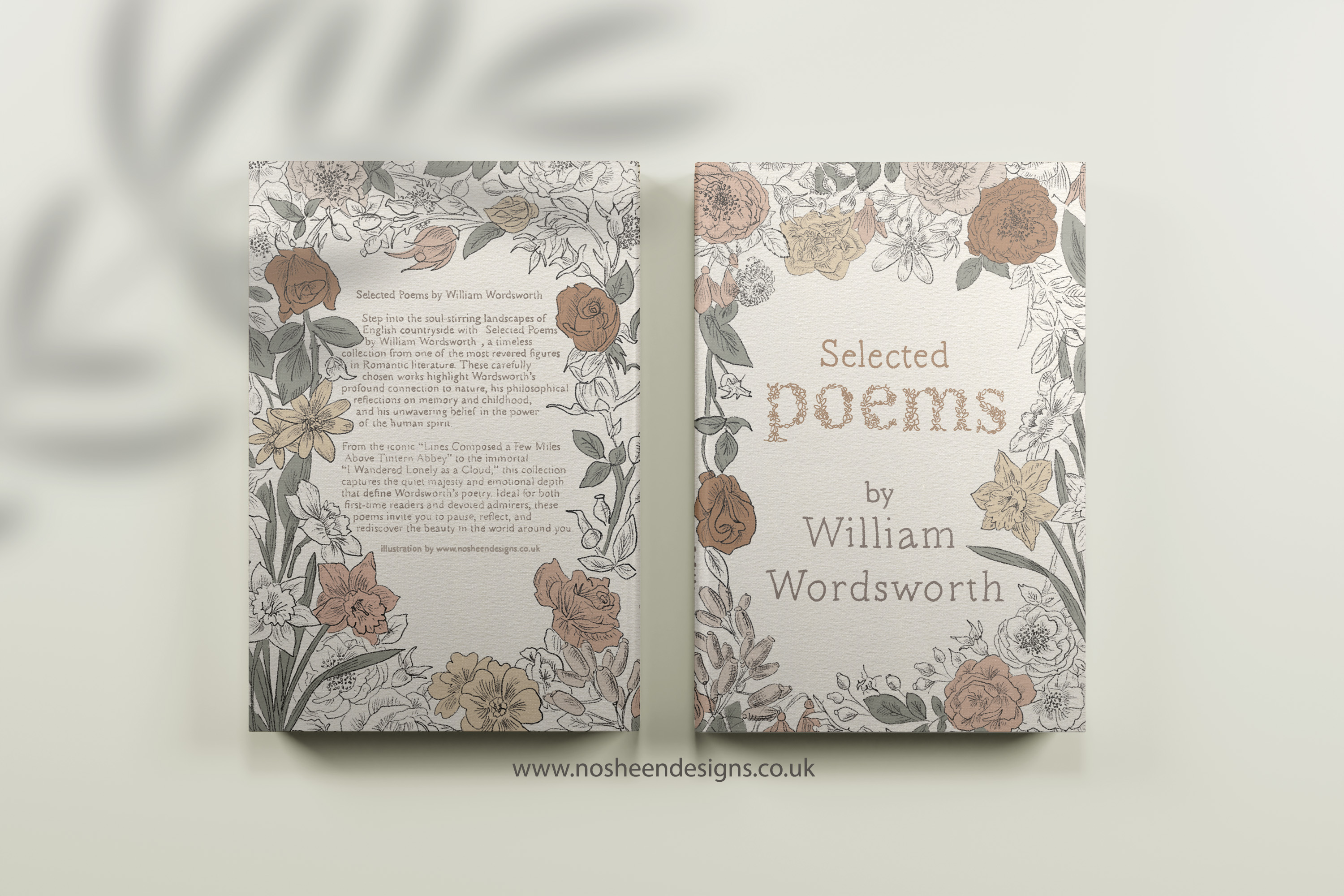
Going into more technical detail, Milena Milak (mentored by Penny Holroyde from Holroyde Cartey) really benefitted from working with real texts rather than prompts, and Nosheen was advised to visit bookshops to observe how other illustrators create book covers. “
Rachelle emphasized the importance of considering my placements and encouraged me to pay closer attention to the graphic design elements of book covers.
Nosheen Ahmed, mentored by Rachelle Panagarry
The idea is the core and most essential part of creating a story. It ties everything together.
Maria Bautista Signorini, mentored by Frenci Sanna.
Experimenting and trusting your gut

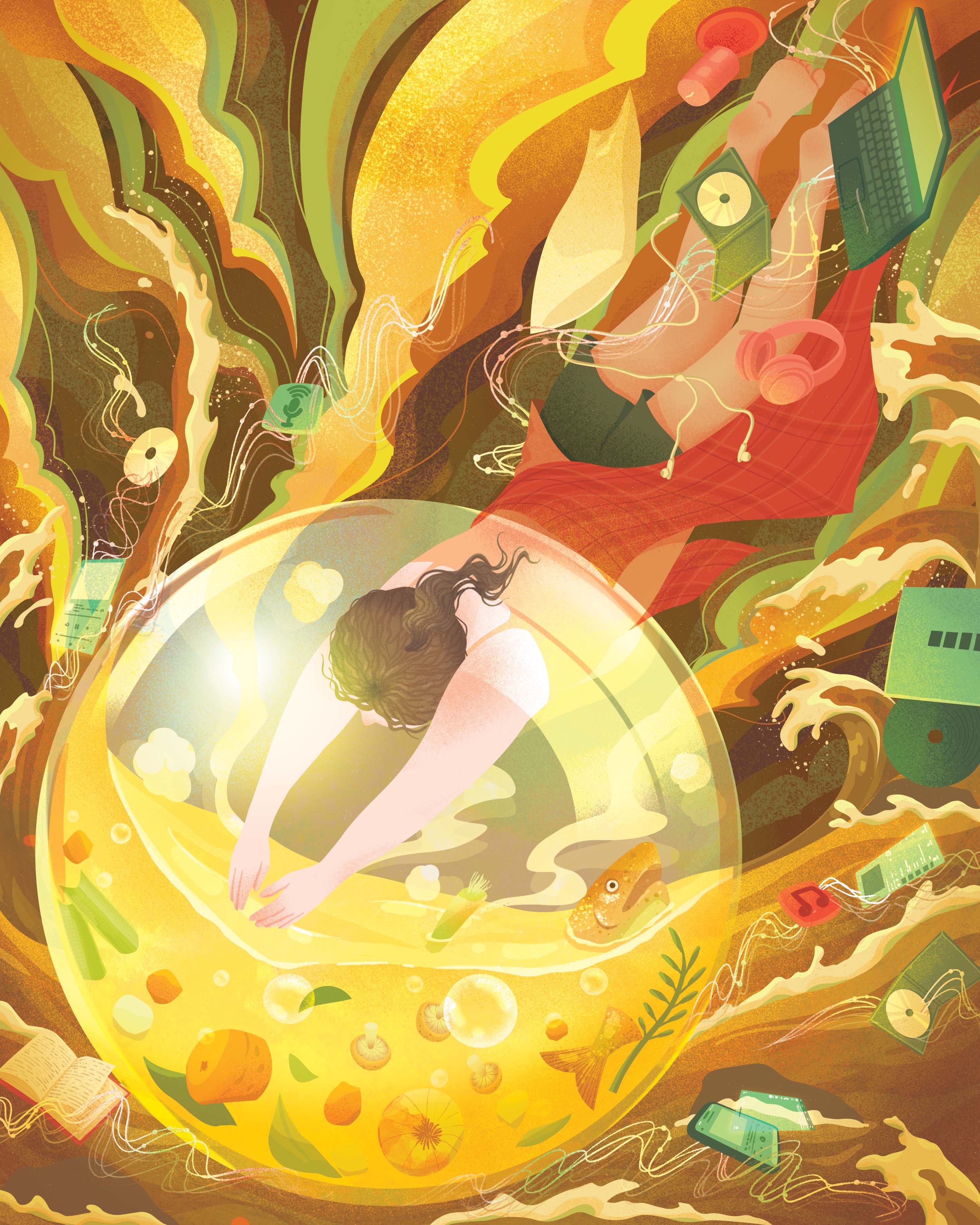
Some mentees like Amber Lim Shin have realised that this is an essential part of the process – not only for any illustrator, but for all artists. “Do the work and the other things, including money, will come (…). Follow your interests as an artist and do what drives you.” Erin May Cooper also agrees. “I think not being afraid to just have a go and just create is important in pushing yourself towards your goals, even if it turns out bad.”
On that same note, Erin shares how “”
My mentor has really supported me in developing my storytelling skills by encouraging me to stay truthful to what I love about children’s illustration, whilst still taking on board her amazing feedback.
Erin May Cooper, mentored by Ruthine Burton
Helen Lo reflects on how her mentor Carina Lindmeier “gave me great tips on colour palettes and showed me examples that opened my eyes to new possibilities. They helped me see how I could push my style further and use it in different kinds of publishing.” Likewise, Joumana Ismail tells us how her conversations with mentor James Child “have emphasised aspects of my artworks that I often overlook, such as more nuanced backgrounds and elements beyond the characters. These elements, which I typically avoid, would ultimately enhance the final artwork and elevate it to an industry standard.”
Nosheen Ahmed also notes the key support of her mentor. “Rachelle has encouraged me to explore a variety of formats and to experiment with different techniques and textures, rather than adhering to a single approach. This guidance has significantly enriched my creative process.” And it has certainly paid off, as Nosheen’s speculative book covers have now been shortlisted for the FAB Prize by Faber.
Reflecting and learning
Just having the opportunity to speak with Frenci, learning their working method, and experiencing their kindness and dedication has expanded my vision of this profession and its possibilities
Nur Ventura, mentored by Frenci Sanna
Maria Bautista experienced a key moment when she learnt what was important to her in a story. “This is great advice that I’ve received from my mentor. I think that in the initial stages of creating any new creative work, we often lean into being too precious about an idea (…), so I analysed other books and asked myself “What are the things that stood out to me from this specific character? Who is the narrator of the story and what’s their emotional journey?” I think of these questions and try to improve my storytelling skills, little by little.”
The mentorship scheme isn’t only a place to learn practically, but also inwardly. As Erin May Cooper puts it: “Even the best most accomplished illustrators are still growing and learning, and that’s what I love most about illustration. I know it’s extremely cliché, but it’s true!”
We want to thank mentees Nosheen Ahmed, Maria Bautista Signorini, Amber Lim Shin, Erin May Cooper, Jacob Gong, Joumana Ismail, Helen Lo, Milena Milak, Nur Ventura,
With special thanks to our mentors for sharing their support and expertise with their respective mentees.
Back to News Page