
Mariaelena Caputi
Mariaelena is an Italian illustrator and designer.
She has worked with a variety of clients over the years, including The New York Times, Time magazine, The Wall Street Journal, Foreign Policy magazine, Foreign Affairs magazine, Wired, The Economist, Die Zeit, HarperCollins and Philip Morris, to name a few.
Through a conceptual and multidisciplinary approach, she creatively blends different media such as photography, illustration and everyday objects, always looking for the best way to bring ideas to life.
Links
Contact
By email Mariaelena CaputiBuy a House? In This Economy?Throughout the Cincinnati metropolitan area and Northern Kentucky, home prices have skyrocketed in recent years. How can you make it easier to buy a home in this economic climate? View Folio
 Mariaelena CaputiCorporate Advocacy in a Time of Social OutrageToday’s employees expect their employers to speak out about the social, political, and environmental issues they care about. Businesses can’t weigh in on every issue, but they can create a culture of open dialogue and ethical transparency. View Folio
 Mariaelena CaputiCorporate Advocacy in a Time of Social OutrageToday’s employees expect their employers to speak out about the social, political, and environmental issues they care about. Businesses can’t weigh in on every issue, but they can create a culture of open dialogue and ethical transparency. View Folio
 Mariaelena CaputiWhen the U.S. and China FightWhen the U.S. and China fight, it is the environment that suffers.
The Trump administration’s moves to decouple the two economies means less leverage over Beijing’s green policies. (…) When it comes to environmental protection, decoupling is a lose-lose proposition for both countries. View Folio
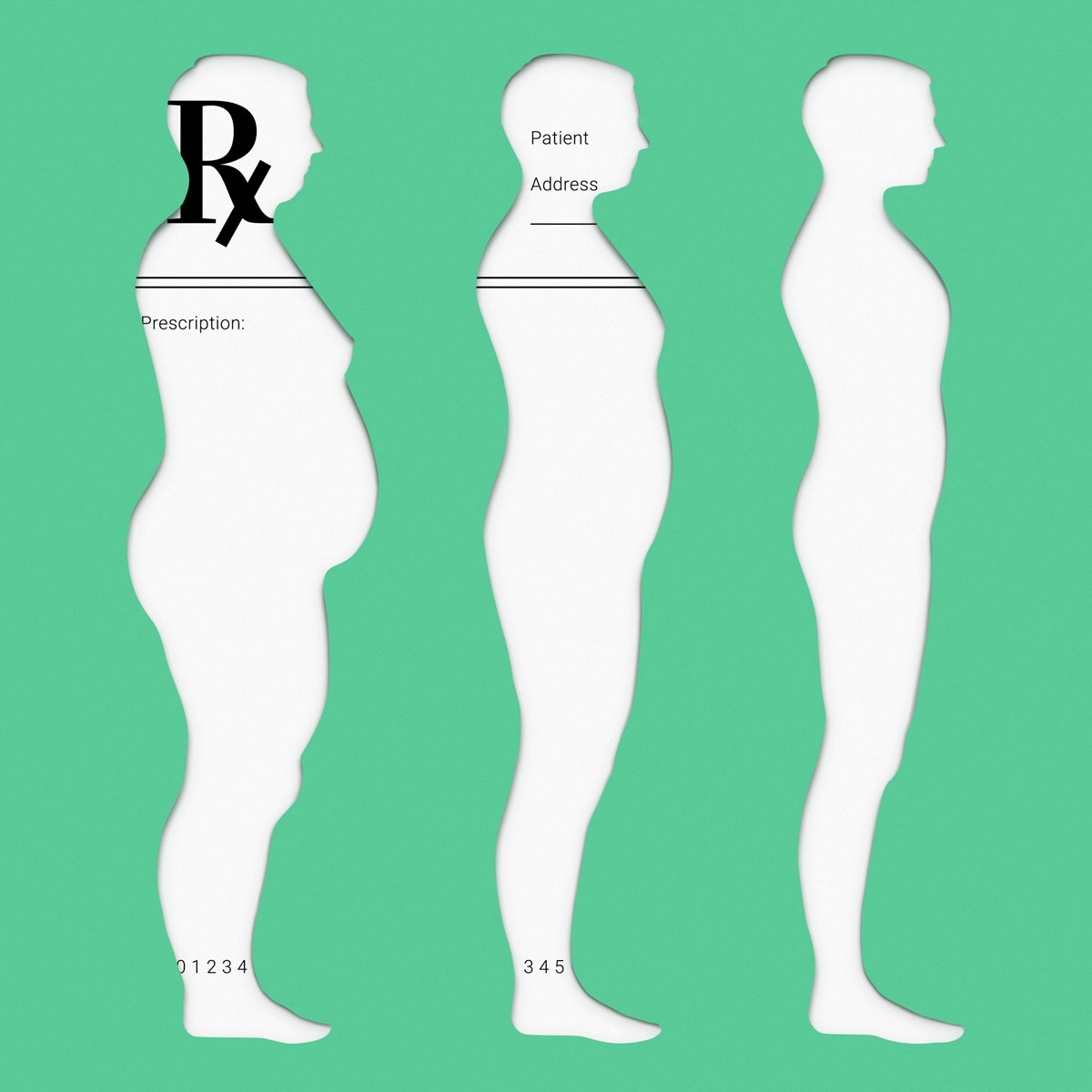 Mariaelena CaputiShould We End Obesity?The weight-loss drug explosion has forced a reconsideration of what “healthy” means. As drugs like Ozempic transform both standard medical practice and cultural ideas about weight loss, a contentious debate is simmering beneath the surface: should we even be treating obesity? View Folio
 Mariaelena CaputiFrom Risk to ResilienceRecent years have seen our world dominated by polarized debates about the risks and rewards of economic interdependence. But this binary approach has never been realistic. To survive and thrive over time, companies and countries will need to embed risk and reward calculations within a broader framework of systemic resilience. View Folio
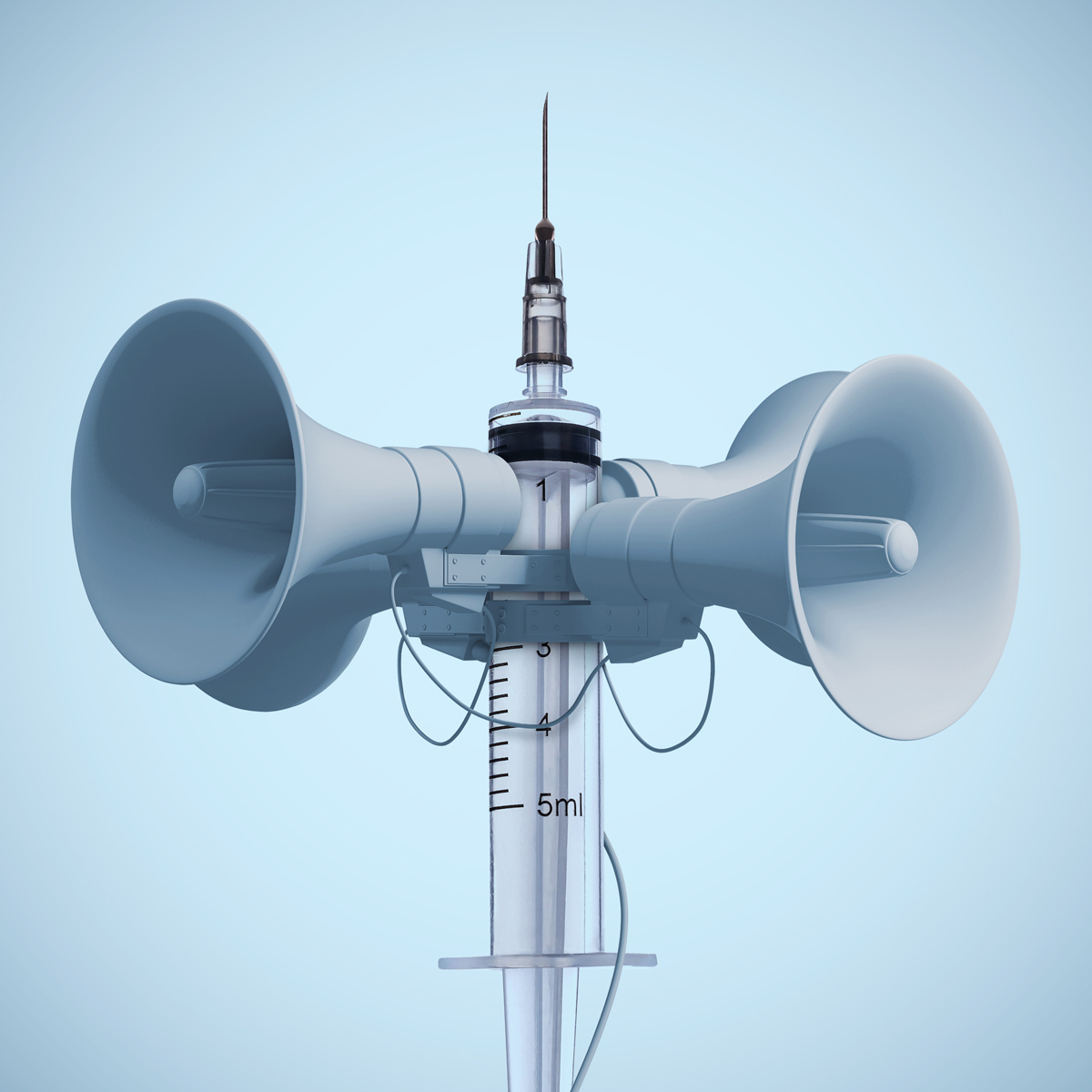 Mariaelena CaputiFalling Off a CliffA vaccination programme that inoculates against the HUMAN PAPILLOMAVIRUS (HPV)—once a runaway success—is floundering. Blame declining confidence, a lack of convenience and rising complacency. How can it be brought back to success? View Folio
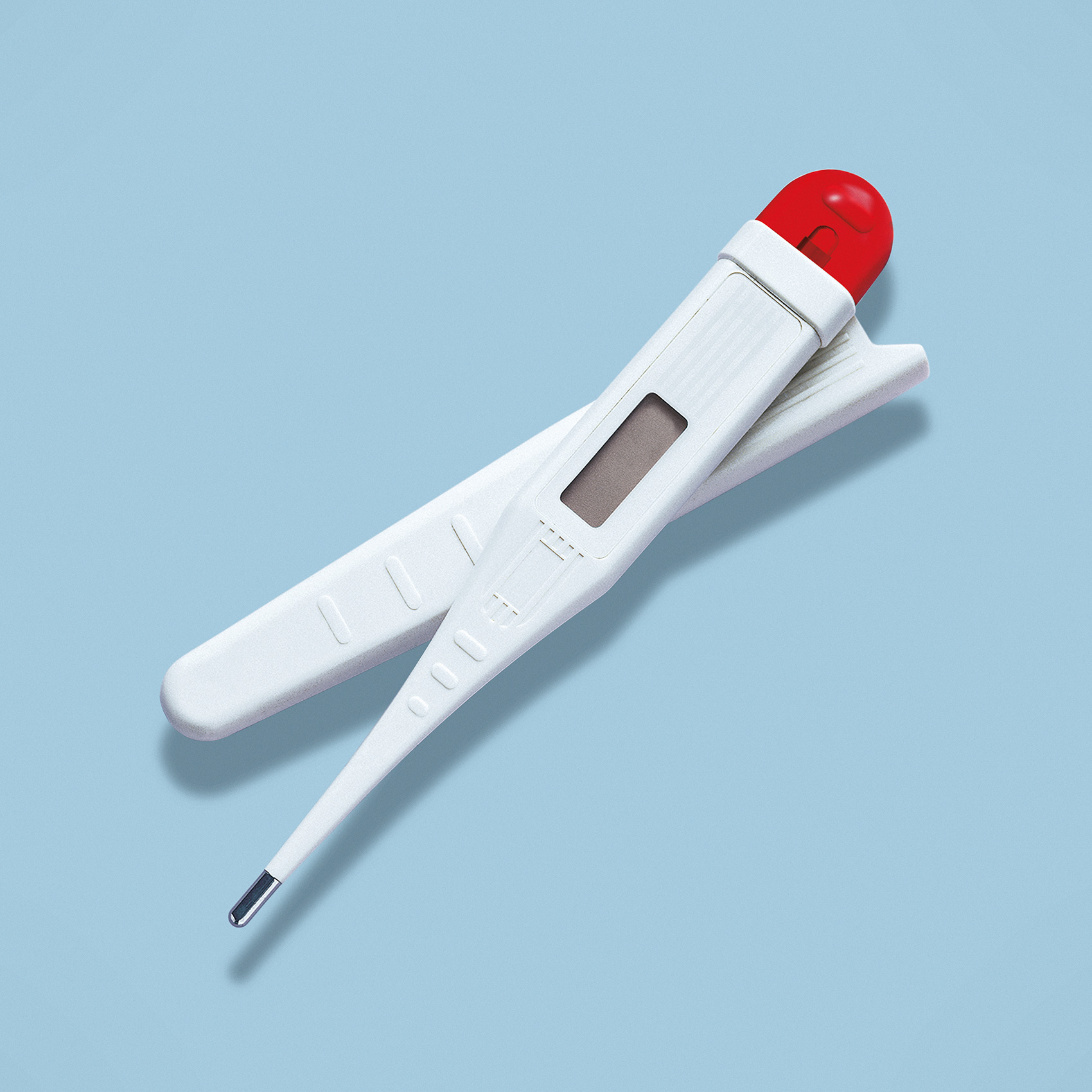 Mariaelena CaputiWhat Does Body Temperature Say About Our Health?“One of the cardinal signs of infection is raised body temperature,” says Waleed Javaid (…) It’s unclear if or how the coronavirus might change the use of body temperature as a diagnostic tool. In the near term, Javaid says, knowing your own average temperature and how it fluctuates might help clinicians diagnose and treat some illnesses more accurately. View Folio
 Mariaelena CaputiThe world needs a better way to share genetic informationThe Earth BioGenome Project proposed sequencing all eukaryotic life on the planet. However, to achieve this kind of goal, it is necessary to completely rethink the Nagoya Protocol. View Folio
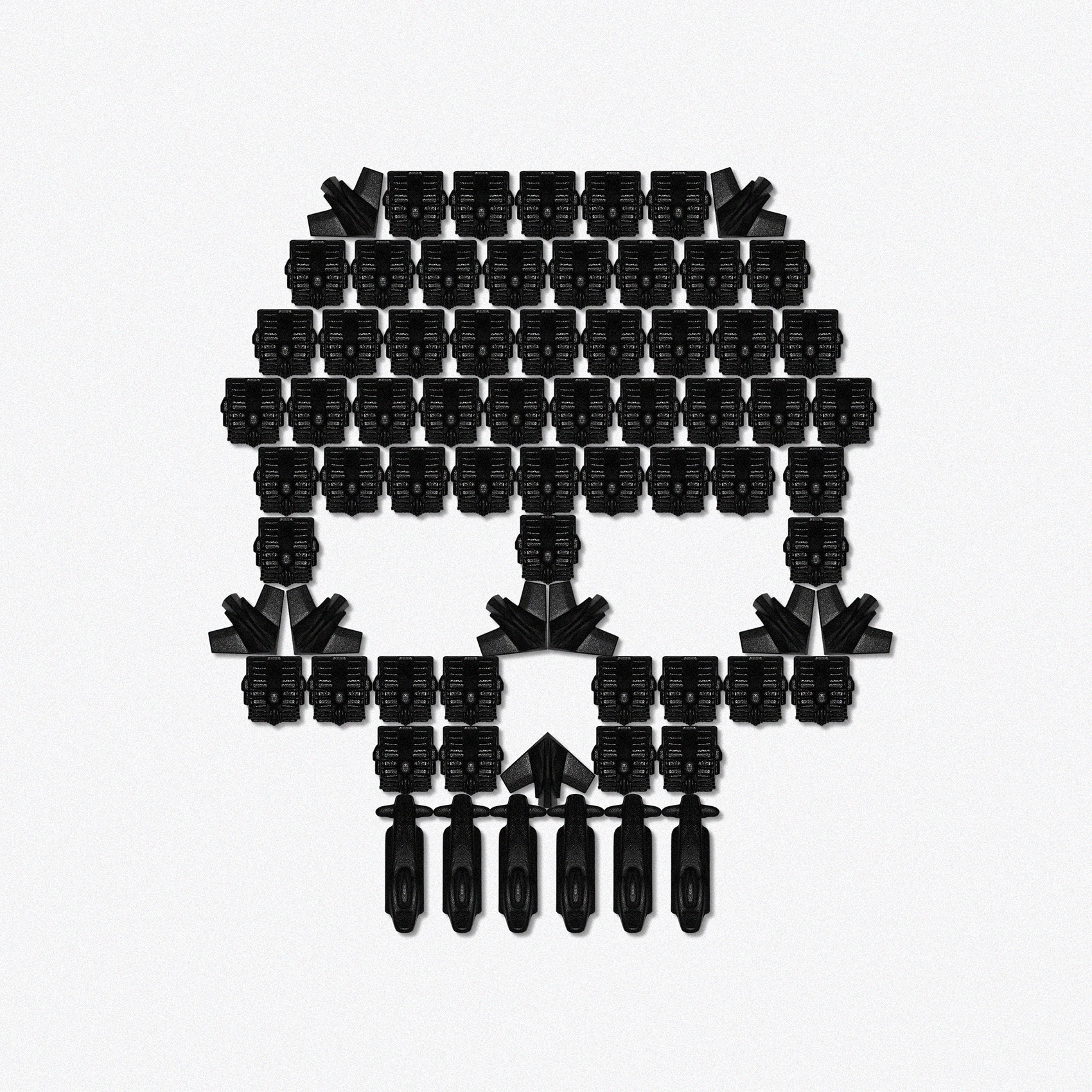 Mariaelena CaputiCeci n’est pas un jeu.Not a game. View Folio
 Mariaelena CaputiA Difficult PeaceAn illustration about the topic of peace and how political and economic factors can influence its pursuit. View Folio
 Mariaelena CaputiThe New ReconstructionThe United States has its best opportunity in 150 years to belatedly fulfill its promise as a multiracial democracy. View Folio
 Mariaelena CaputiSpring MoodA tribute to Spring, which returns every year to warm our hearts. View Folio
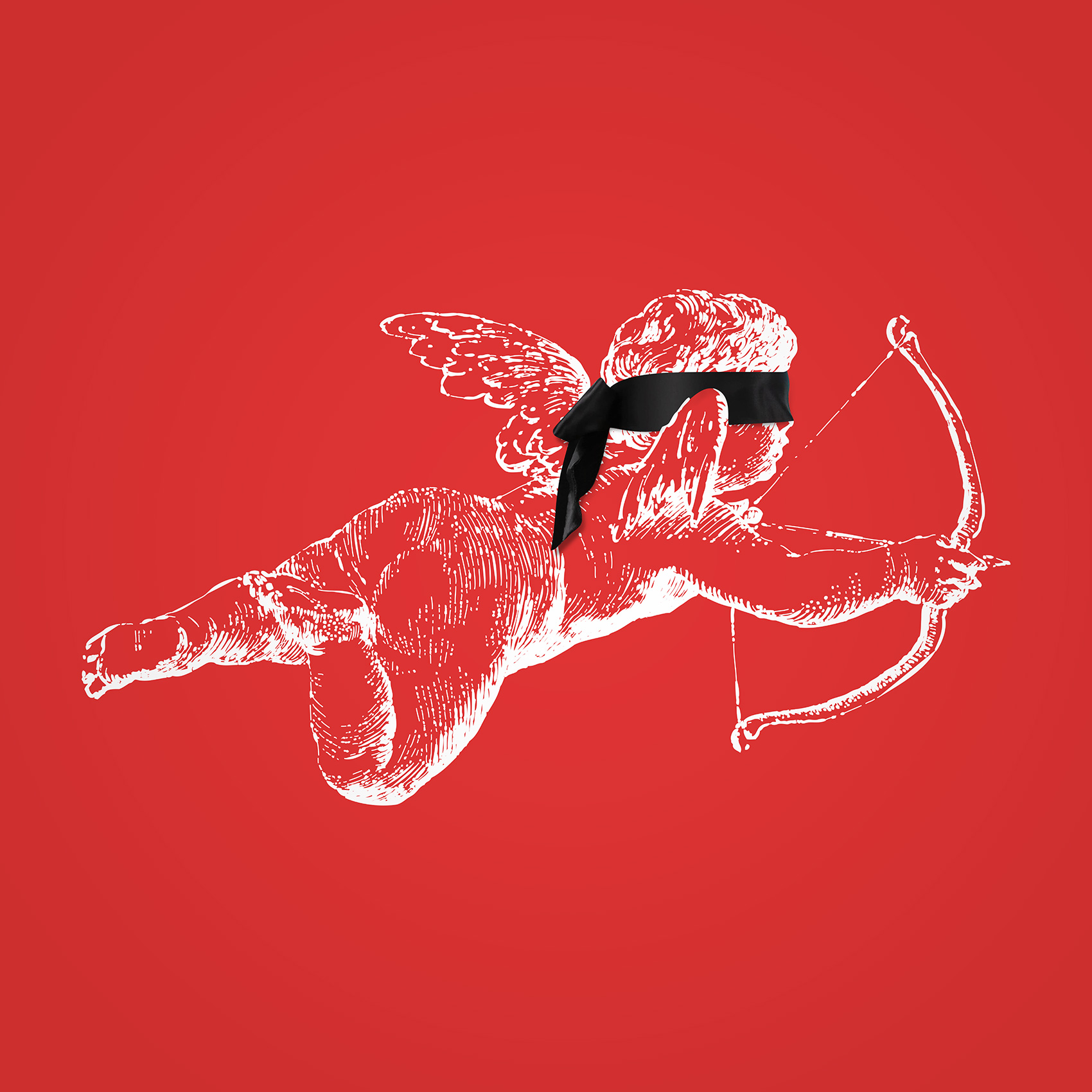 Mariaelena CaputiFall in Love with the Wrong PersonClearly, wanting to fall in love isn’t a bad thing. But wanting love too badly can lead you to prioritize the act of falling in love over picking the right person. View Folio
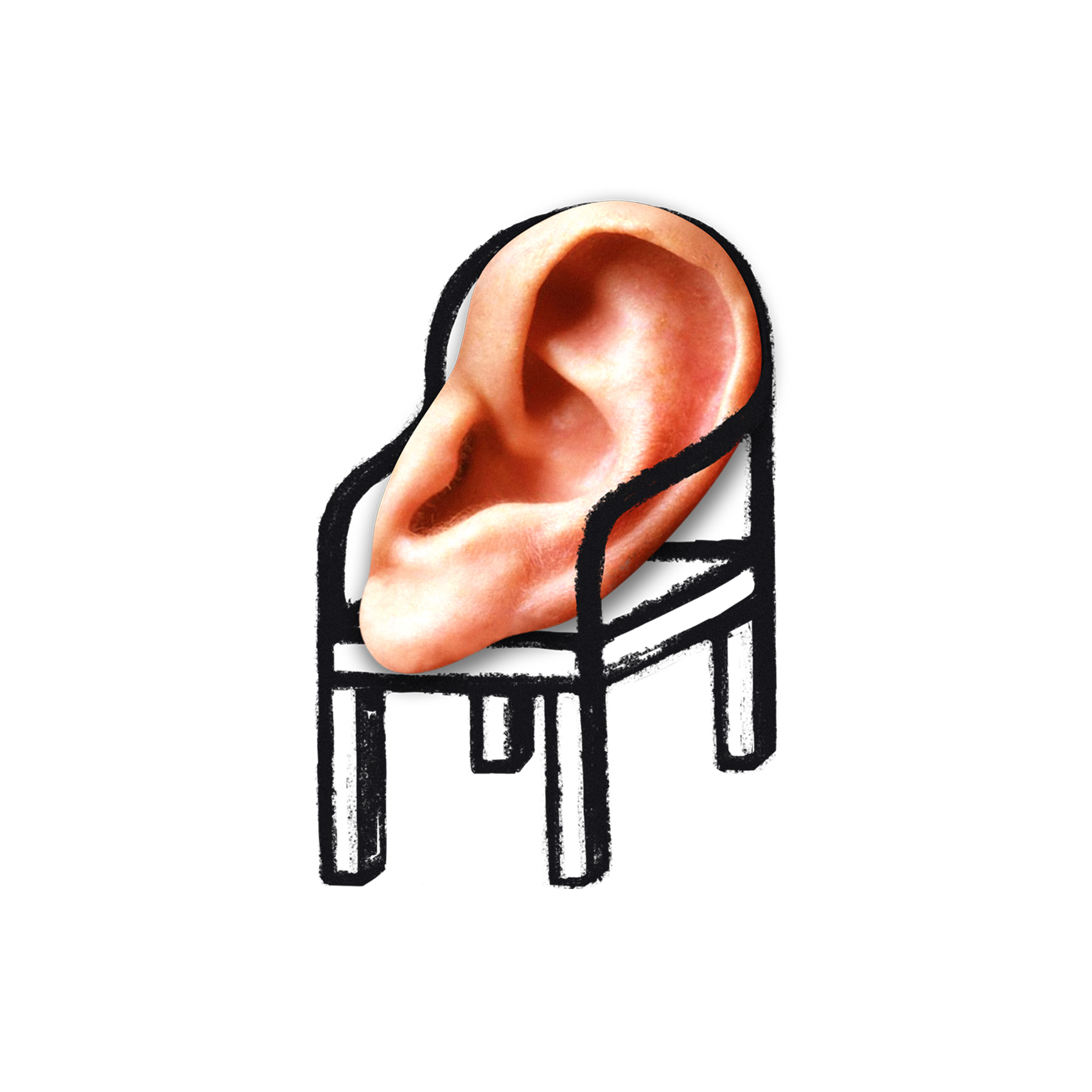 Mariaelena CaputiI Did a Terrible Thing. How Can I Apologize?“The word apology comes from the Greek apologia, which means justification, explanation, defense or excuse. A key part of apology, perhaps, is really listening to the victim’s experience, taking that in deeply and trying to create a process of repair.”
View Folio
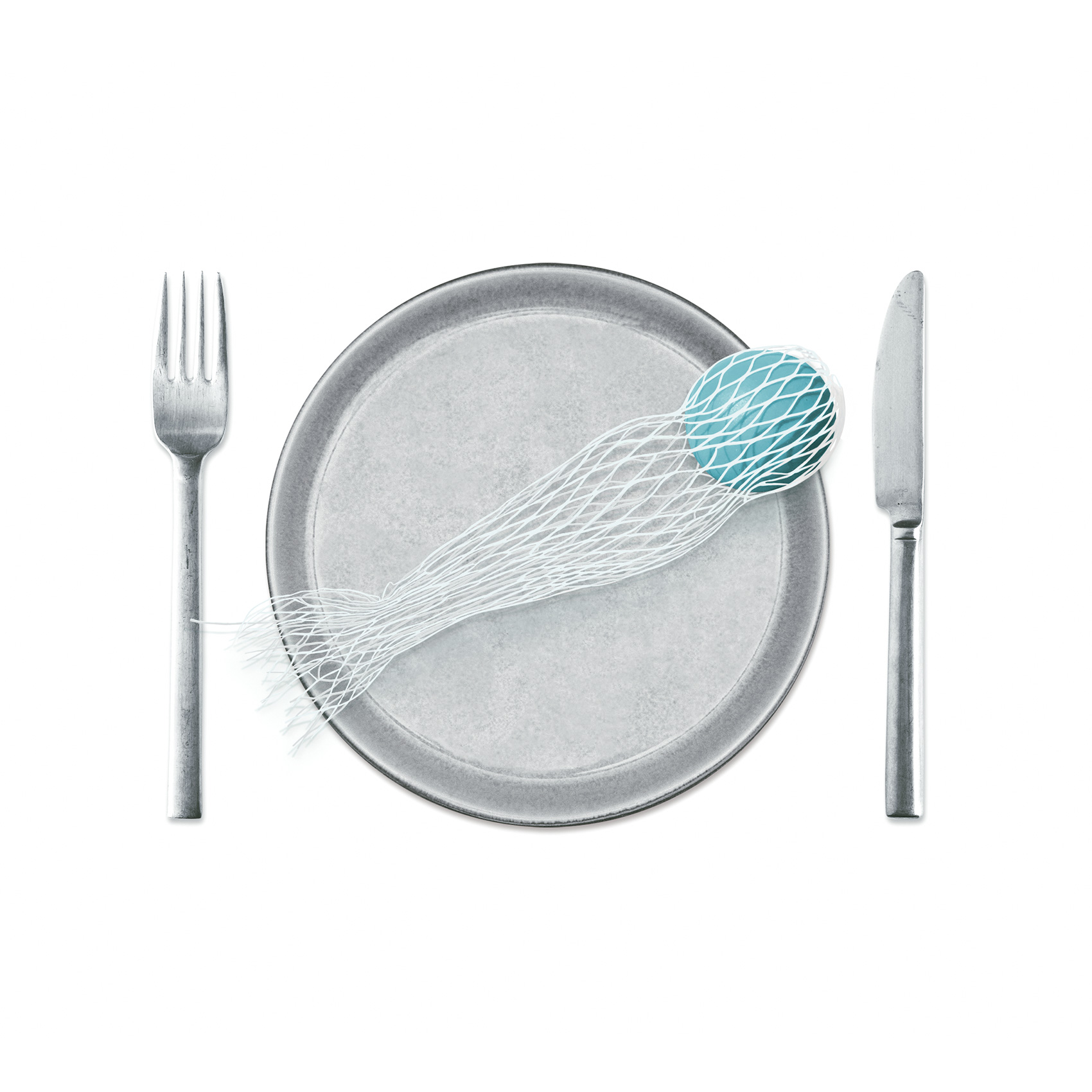 Mariaelena CaputiThere Is Plastic In Your FishMicroplastics are small enough to be ingested by sea animals, including those that end up on our plates. 70 years of manufacturing plastic later, we are finally starting to see where it all ends up when we toss it. View Folio
 Mariaelena CaputiClimate Change is Already HereDecades of studied ignorance, political cowardice, cynical denialism and irresponsible dithering have allowed the problem to grow deeper and immeasurably harder to solve. But today, we are at an important turning point. The changing climate is no longer an abstract threat lurking in our distant future — it is upon us. We feel it. We see it. (…) And with that comes a new urgency, and a new opportunity, to act. View Folio
 Mariaelena CaputiThe Rise of OpenAIAn illustration about the complexity and contradictions that the progress of artificial intelligence is bringing out. View Folio
 Mariaelena CaputiTotal Surveillance Is Not What America Signed Up ForYour smartphone can broadcast your exact location thousands of times per day, through hundreds of apps, instantaneously to dozens of different companies. Each of those companies has the power to follow individual mobile phones wherever they go, in near-real time.
That’s not a glitch in the system. It is the system. View Folio
 Mariaelena CaputiGoogle Effect: Changes to our BrainsThe use of search engines is causing our brains to reorganize where it goes for information, adapting to new computing technologies rather than relying solely on rote memory. View Folio